At the end of a long, hot summer with no irrigation or rain, the plot with 100% hard fescue grass was still lush and green, while the one with Kentucky bluegrass was almost entirely dead.
Read More
Tips and tales about keeping water clean
At the end of a long, hot summer with no irrigation or rain, the plot with 100% hard fescue grass was still lush and green, while the one with Kentucky bluegrass was almost entirely dead.
Read More
“We’ve never lost our connection to this space but it’s important to bring native people back here and have them making decisions on how the land in managed,” says Keeli Siyaka, Environmental Justice Educator at the Lower Phalen Creek Project.
Read More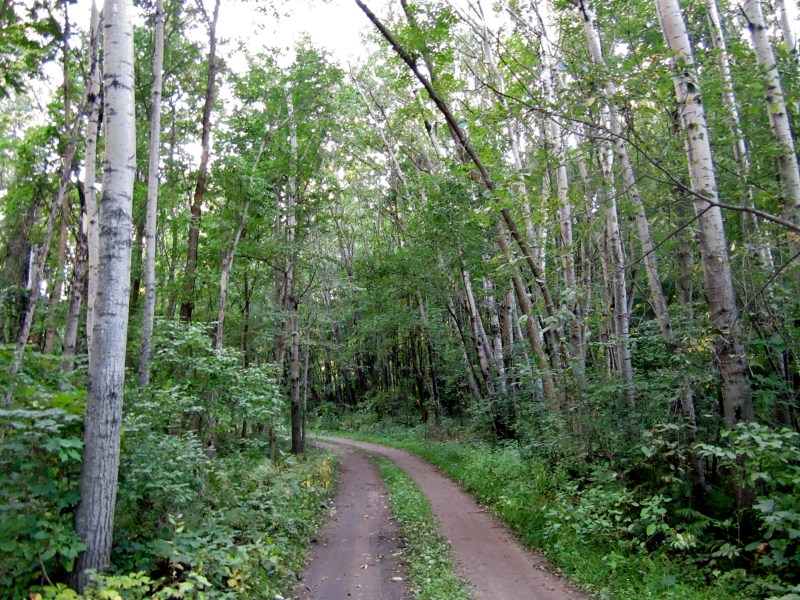
If you are working to remove large areas of buckthorn, MyMinnesotaWoods staff advise that late summer and fall are the best times to cut and treat buckthorn stumps with herbicide in order to prevent regrowth.
Read More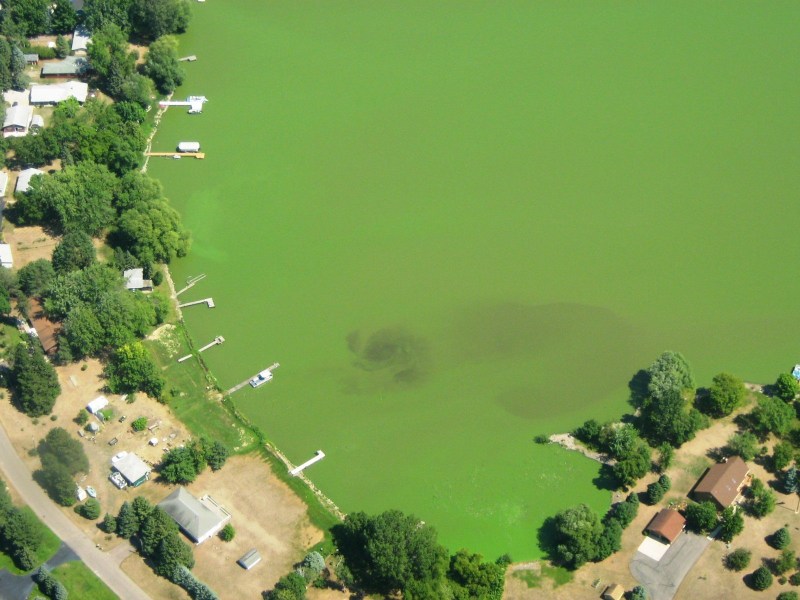
Usually, algae and aquatic plants are merely a nuisance, but sometimes a form of cyanobacteria known as blue-green algae can bloom and release toxins that make humans and animals sick.
Read More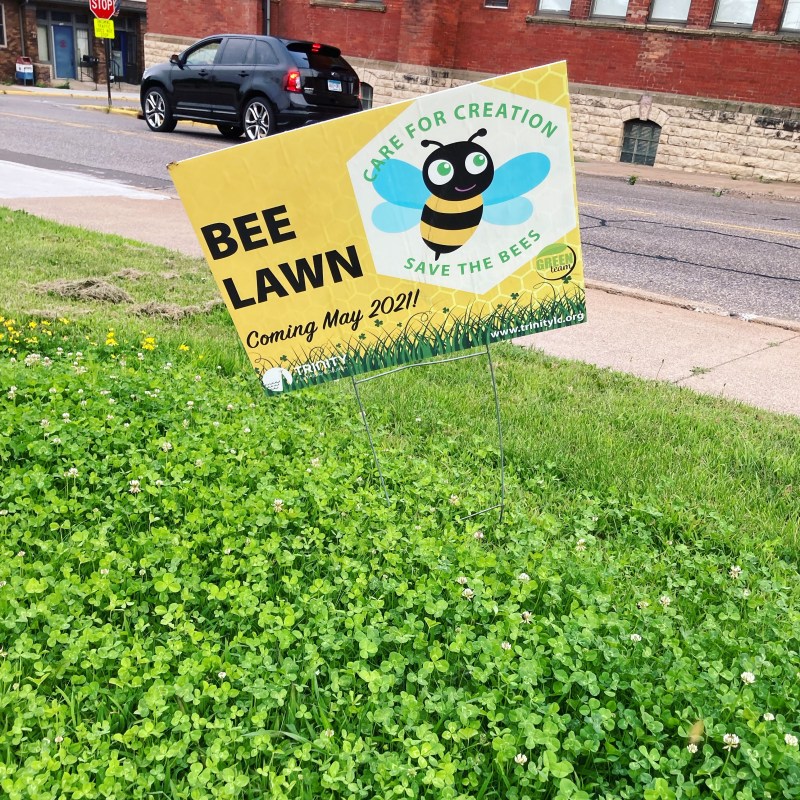
Unlike typical lawns, bee-friendly lawns feature a mix of drought-tolerant fine fescue grasses and low-growing flowers such as Dutch white clover, creeping thyme, and self heal.
Read More
Here is a lineup of some of the many FREE, fun, outdoor events scheduled in Washington County during the coming month.
Read More
Three variables – water clarity, total phosphorus, and chlorophyll – are combined to create a metric known as a trophic state index.
A few years back, Jerry Spetzman began noticing that the color of the algae samples on a white filter corresponded almost perfectly with the lakes’ overall water quality.
Read More
Conventional pavement is impermeable, which is a fancy way of saying that water does not soak through it when it rains. In contrast, porous pavement is holey – in a good way.
Read More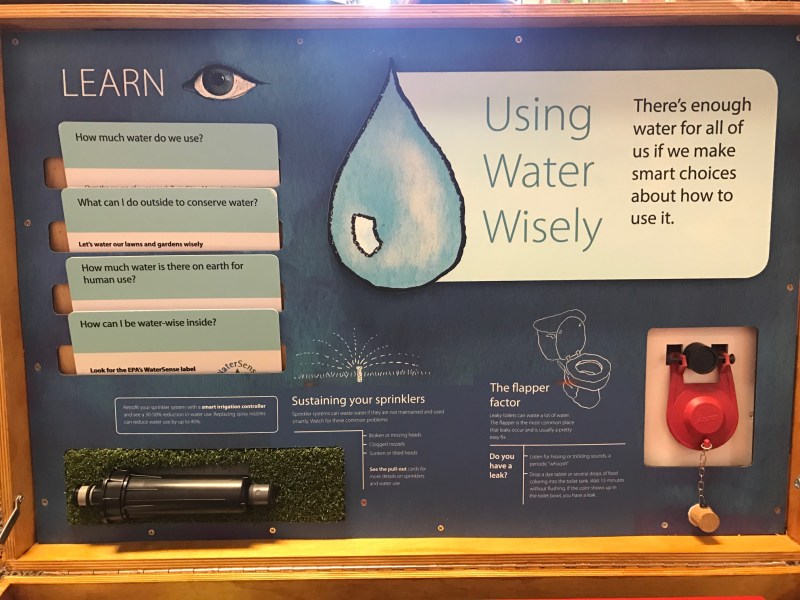
According to the University of Minnesota, approximately 20% of all treated drinking water in the Twin Cities metro area is used outdoors, with a majority of this being used on lawns and landscapes.
Read More
Most people consider dragonflies and damselflies to be terrestrial flying insects, but in fact, they spend more than half of their lives in the water.
Read More
