The Mississippi River is a flyway for 60% of all the birds in North America and 320 species of birds migrate through the St. Croix River Valley.
Read More
Tips and tales about keeping water clean
The Mississippi River is a flyway for 60% of all the birds in North America and 320 species of birds migrate through the St. Croix River Valley.
Read More
Bounded by the St. Croix River on the east and the Mississippi on the west, Lake Elmo and Trout Brook in-between, we were able to see how each student’s choices for land development fit in the larger landscape.
Read More
The St. Croix River has changed dramatically over the years. What do you think it will look like 40 years from now?
Read More
According to the Outdoor Industry Association, outdoor recreation in the United States generates 6.1 million jobs and $646 billion in consumer spending every year. In Minnesota, that translates into 118,000 jobs, $11.6 billion in consumer spending, and $815 million in state and local tax revenue.
Read More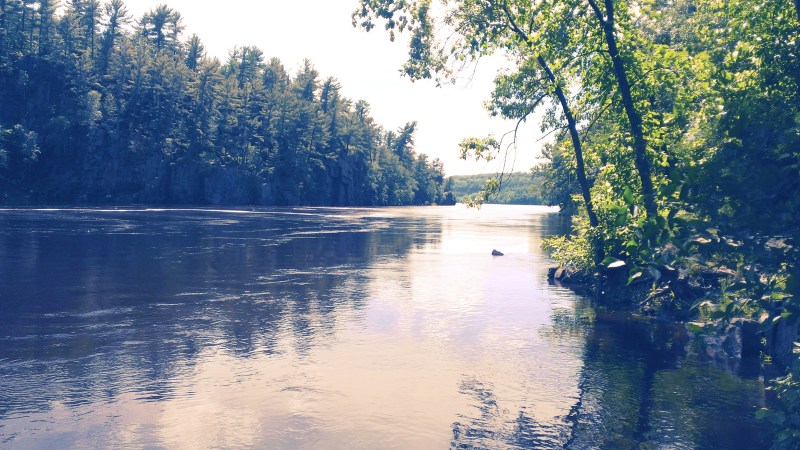
The river brings life to fish and wildlife, fragile ecosystems, and local communities. Also, it is a place where we can leave behind the busyness of modern life and experience the song of nature.
Read More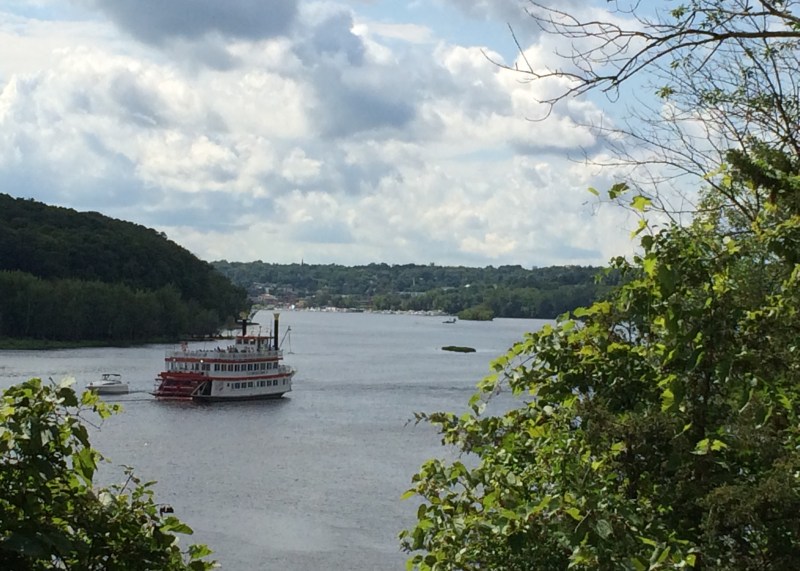
In this report, people might be surprised to learn that the St. Croix “River” from Stillwater to Prescott is not just a lake, it is four lakes!
Read More
This year, BWSR awarded 64 new grants totaling $11.7 million. Seven of the projects are in areas draining directly or indirectly to the St. Croix River.
Locally, watershed management organizations – Brown’s Creek, Carnelian-Marine-St. Croix, Middle St. Croix, South Washington, and Valley Branch – are all in the process of updating their 10-year management plans.
Read More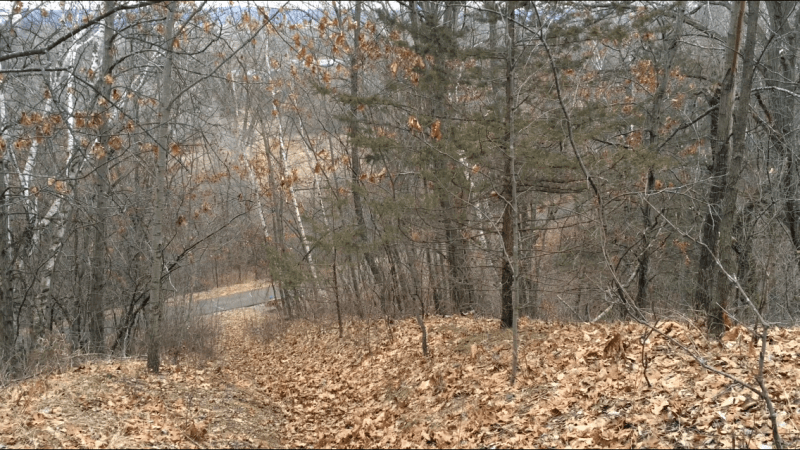
At the peak, I paused a moment to catch my breath and then, I put a hand to my ear. I heard a sound rising up from the valley. It started in low. Then it started to grow. A tiny Who down in Whoville was singing a song and his little voice rose up through the trees.
Read MoreThe Quixote Ave. project demonstrates the importance of working collaboratively and using innovative approaches to address modern water quality problems.
Read MoreWe may not have Brown Bar-ba-loots or Swomee-Swans in Minnesota, but we do have eastern spotted skunks and cerulean warblers.
Read More East Metro Water