In your yard, you can create a healthy home for frogs and toads by leaving some of the grass unmowed near wetlands, lakes and woods; planting gardens with native plants; and using little or no chemicals on your lawn and gardens.
Read More
Tips and tales about keeping water clean
In your yard, you can create a healthy home for frogs and toads by leaving some of the grass unmowed near wetlands, lakes and woods; planting gardens with native plants; and using little or no chemicals on your lawn and gardens.
Read More
Power lawn mowers make quicker work than scythes, but the fact remains that today’s lawns have made many of many of us servants of our own dominions.
Read More
Across Minnesota, 533 streams and river reaches have unsafe levels of E. coli or fecal coliform, which are bacteria found in human and animal feces.
Read MoreYou might be surprised to learn that mercury from the air is, by far, the leading cause of pollution in our Minnesota lakes and rivers.
Read More
In Washington County, Eurasian watermilfoil has taken hold in 21 lakes, zebra mussels are in Forest Lake, White Bear Lake, and the St. Croix south of Stillwater, and flowering rush has become a problem along the shoreline of Forest Lake.
Read More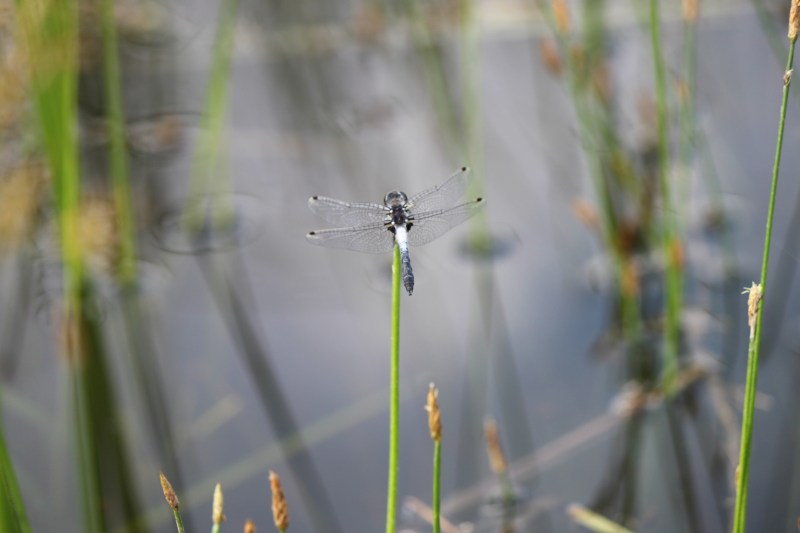
Most people consider dragonflies and damselflies to be terrestrial flying insects, but in fact, they often spend more than half of their lives in the water.
Read More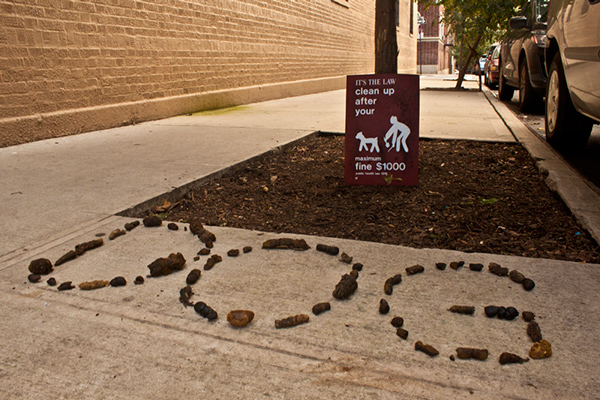
Are you four years old? Forty-four years old? Do you like to talk about poop? Come on, admit it. Poop is a little bit funny isn’t it? Two years ago we went on vacation to Jamaica. My son, who was two at the time, had just learned how to use the toilet three weeks before…
Read More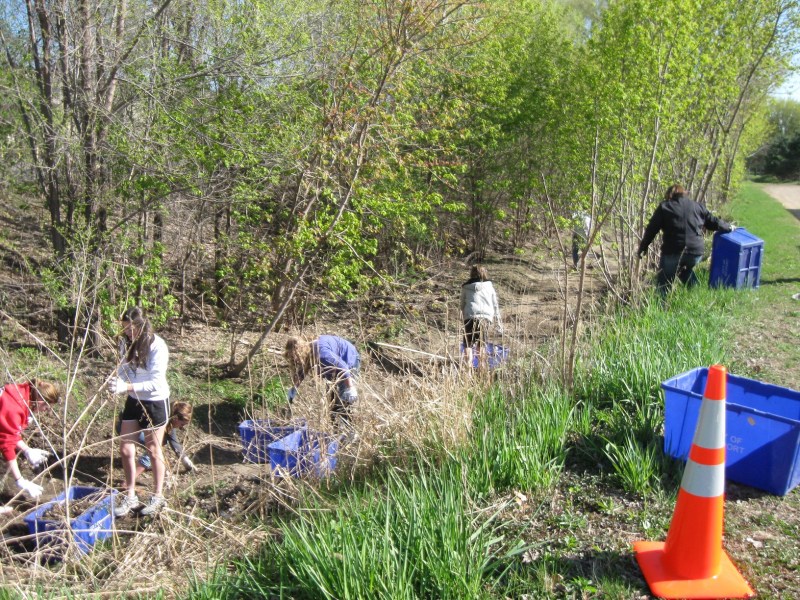
Plastic bottles, bags, cigarette butts and other garbage in streets and roadside ditches are eventually washed into lakes and rivers when the snow melts or it rains. The Mississippi river gathers runoff (and trash) from 1,245,000 square miles and carries it to the Gulf of Mexico.
Read MoreDeep-rooted prairie grasses could find moisture during the driest of summers, but farm crops died quickly, leaving nothing behind but bare soil. During the ensuing Dust Bowl, clouds of dirt darkened the sun, burying homes and hopes in their wake.
Read More
On Saturday, March 26, Master Gardeners in Washington County will hold a spring gardening program at Stillwater Area High School, 8am-noon. During this free workshop, participants will learn about sustainable gardening, landscape design, and landscaping with native plants.
Read More
