Bluegreen algae blooms have become more prevalent in urban lakes, as well as in pristine northern lakes including Lake Itasca, the Boundary Waters, and Quetico Wilderness Area.
Read More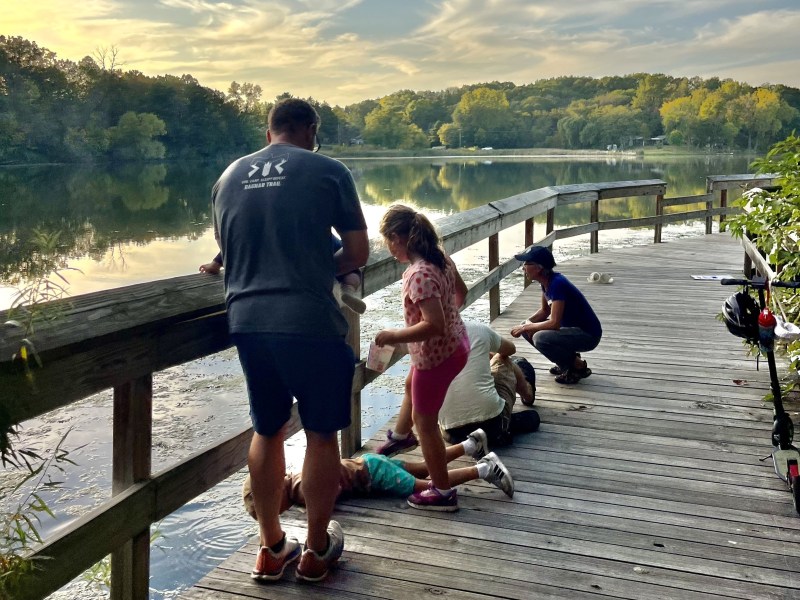
Tips and tales about keeping water clean
Bluegreen algae blooms have become more prevalent in urban lakes, as well as in pristine northern lakes including Lake Itasca, the Boundary Waters, and Quetico Wilderness Area.
Read More
Minnesota’s average annual rainfall has increased 3.4 inches since 1891 and “mega rainstorms” are becoming more common. Learn what local watershed districts are doing to help reduce the risk of flooding in east metro communities.
Read More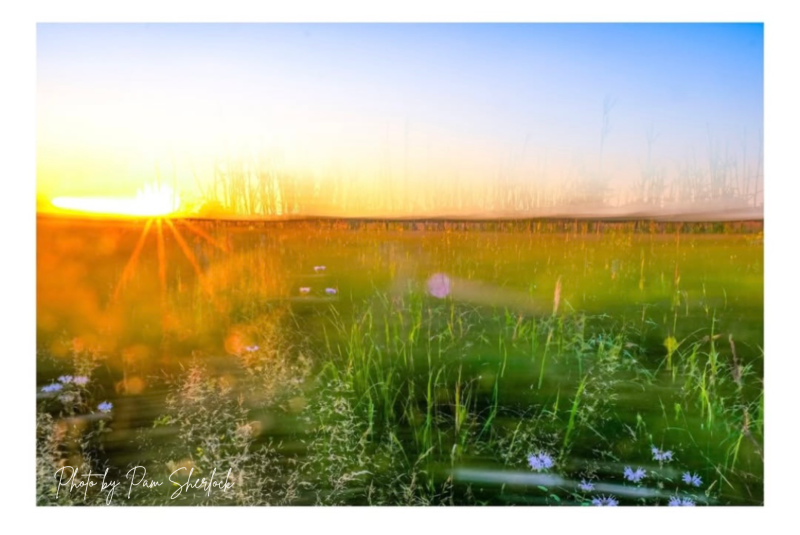
“Likely Stories,” the project that emerged, can best be described as a photographic journey through climate adaptations in the St. Croix Watershed. As part of this project, the artists seek to document the local impacts of climate change, such as black ash swamps, decimated by Emerald ash borer, tamarack “ghost forests,” algae blooms on the river and inland lakes, and future changes at the Allen S. King power plant. Equally important, they also hope to showcase examples of individuals, communities and organizations that are taking action to build climate resiliency.
Read More
Local watershed districts, including the Carnelian-Marine-St. Croix, Comfort Lake – Forest Lake, and Ramsey-Washington Metro, are tapping into new funds from the state to reduce flood risk.
Read More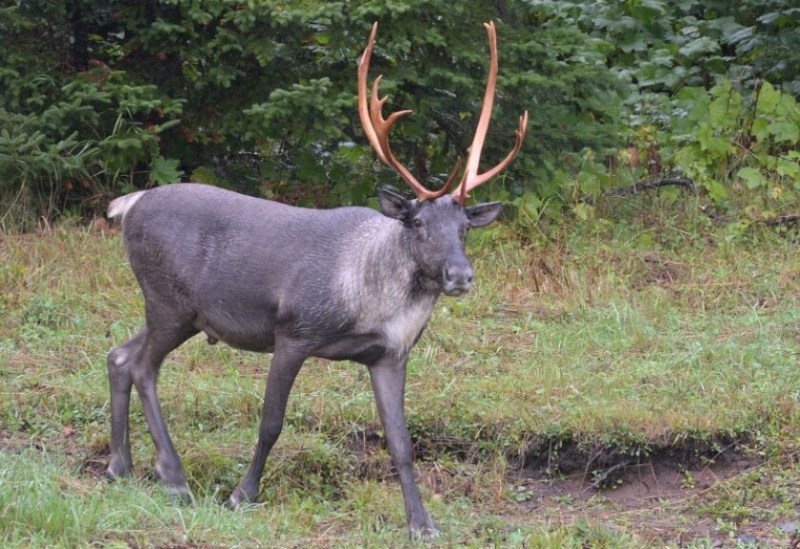
In the early 1800s, caribou were the most widespread species of the deer family in the northern forests of what is now Minnesota, Wisconsin, Michigan, and Canada. Since then, wildlife species in Minnesota have changes dramatically as a result of logging, loss of prairie and wetlands, invasive species, and climate changes.
Read More
AmeriCorps members will help help communities around the state increase their urban tree canopies and build resiliency within existing forests for changing climate conditions.
Read More
The state has set up a website to provide information and collect ideas from the public related to: 1) Investing in clean transportation; 2) Protecting our natural and working lands; 3) Creating stronger, resilient communities; 4) Moving to clean energy and efficient buildings; and 5) Promoting health, equity, and a strong economy: http://www.climate.state.mn.us/ideas-lead-bold-action.
Read More
South Washington Watershed District (SWWD) is working to build resiliency and protect local communities against climate-related threats, including flooding, aquifer draw-down, and invasive species. In recognition of its accomplishments, ongoing work, and leadership on climate adaptation and resiliency, SWWD has been awarded the Minnesota Climate Adaptation Partnership’s 2021 Organization Award.
Read More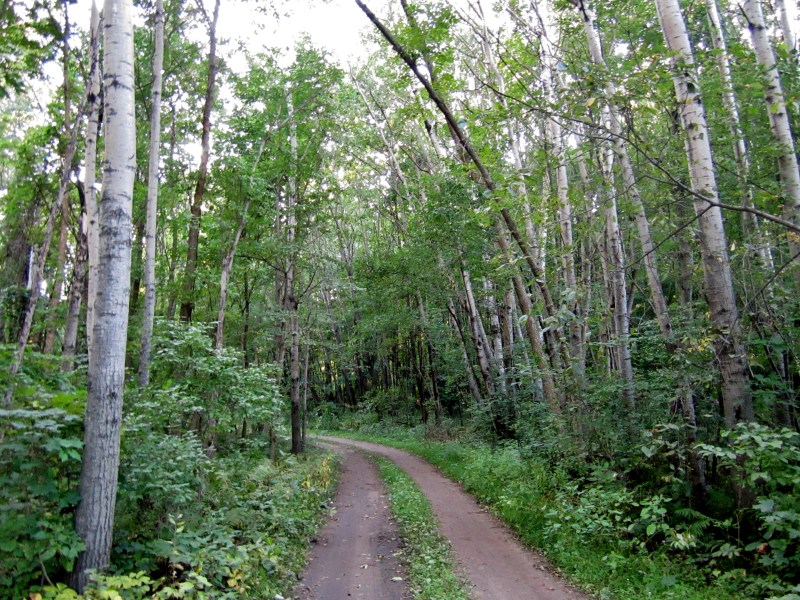
Managing woodlands for a changing climate Deep in the heart of Ecuador’s Sumaco Biosphere Reserve, the trees are slowly walking – very, very slowly. In pursuit of better living conditions, the trees grow new roots that stretch across the forest floor and gradually pull the rest of the tree along behind. These so-called walking palms…
Read More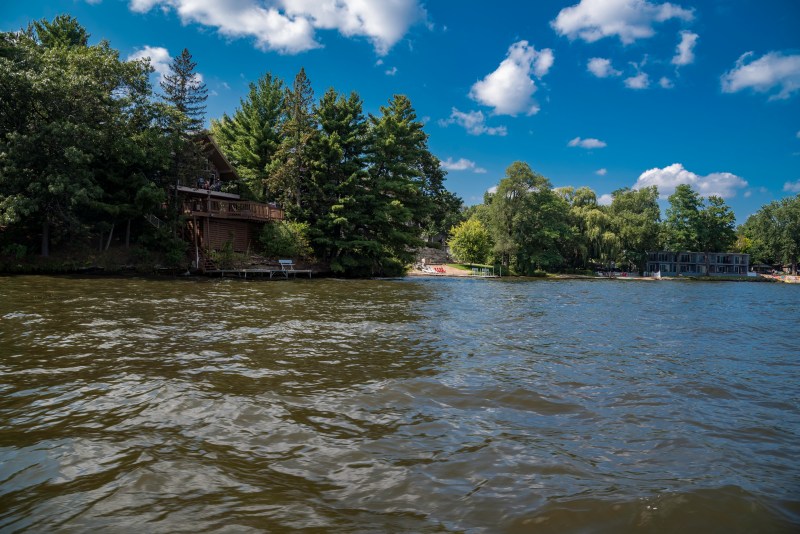
Have you ever built a lake? William Newman did. When the construction company owner from Chicago moved to Delton, Wisconsin in 1926, he immediately bought all of the land along both sides of Dell Creek and set to work to create his lake. One year later, a 30-ft high dam and 1000-ft long dike blocked…
Read More East Metro Water