Subtle signs of a changing climate

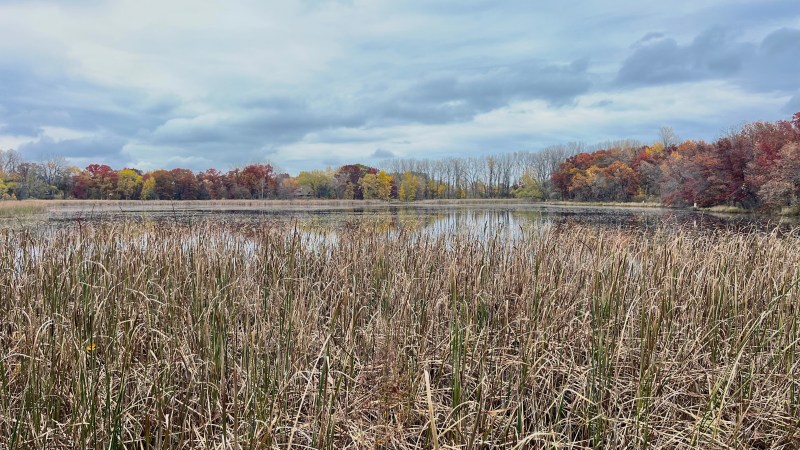
Bluegreen algae blooms have become more prevalent in urban lakes, as well as in pristine northern lakes including Lake Itasca, the Boundary Waters, and Quetico Wilderness Area.

Read More

Fall yard & garden – no it’s not too late to plant!

In the coming weeks, there are several steps you can take to prep your yard and gardens for winter and continue to support pollinators, birds and other wildlife. But, you might be surprised to learn that fall is also a really great time to plant a native garden!

Read More

New funding will help Minnesota farmers improve soil health and incorporate year-round vegetation in their fields

This fall, conservation districts across the state are providing new funds to farmers to implement soil health practices including no-till, cover crops, and prescribed grazing. Funds can also be used for pollinator plantings, as well as pasture and hay plantings. The program is part of an initiative by Minnesota Board of Water and Soil Resources to build better, more resilient soils in order to ensure long-term food security and protect lakes, rivers, and streams from water pollution.

Read More

Beneath old growth oaks, the Cedergren family nurtures healthy soil and a conservation ethic

At Chain Lake Pastures, Rick utilizes a holistic approach to farming known as regenerative agriculture, which aims to restore and improve the health of the land, water, and ecosystems. His conservation ethic also led Rick to become a board supervisor for the Chisago SWCD in 2023.

This fall, the Chisago SWCD celebrates its 75th anniversary and Rick Cedergren is happy to carry on a family tradition – growing healthy food and healthy soil in northern Chisago County.

Read More

Meet our 2025 Natural Shoreline Award winners!

We are excited to announce the winners of our inaugural Natural Shoreline Awards, sponsored by the East Metro Water Resource Education Program and Lower St. Croix Watershed Partnership. These awards recognize Minnesotans who are protecting lake, stream, and wetland habitat in Chisago, Isanti, Ramsey and Washington Counties.

Read More

What to do when the rain gets rainier

Minnesota’s average annual rainfall has increased 3.4 inches since 1891 and “mega rainstorms” are becoming more common. Learn what local watershed districts are doing to help reduce the risk of flooding in east metro communities.

Read More

Flowers bloom in the shadow of a great white bear

White Bear is a lake with a storied past. At 2438 acres, it is the second largest lake in the Twin Cities metro, and its history features a legendary fight with a giant bear, steamships, gangsters, famous authors, legal battles, and even an amusement park. Recently, efforts led by the Washington Conservation District have focused on improving habitat and reducing stormwater runoff from small communities located along the southeast shore of the lake.    

Read More

Zebra mussels and starry stonewort spread to more Minnesota lakes

This summer, the Minnesota Department of Natural Resources has reported new infestations of aquatic invasive species – zebra mussels and starry stonewort – at a dozen lakes across the state. The discoveries underscore the inherent challenge of protecting Minnesota waterways in a state with more than 11,000 lakes, thousands of natural and manmade connections, and countless ways to access the water from public and private lands.

Read More

Living dinosaurs roam the rivers

Lake sturgeon were nearly hunted to extinction in the late 1800s and early 1900s but can now be found throughout the St. Croix River, as well as in tributaries including the Namekagon and Kettle Rivers.

Read More

Aug. 21 clinic will offer free nitrate and chloride testing for homes with private wells

During the clinic, volunteers will run a screen test to measure nitrate and chloride (salt) and will also offer one-on-one consultations to discuss wellhead protection and groundwater concerns, including arsenic, bacteria, pesticides, and Perfluorinated Alkylated Substances (PFAS). PFAS testing will NOT be conducted at this clinic.

Read More