Building a water treatment plant on the St. Croix or Mississippi River would cost $68-184.9 million, depending on where the plant is located and how many communities it serves.
Read More
Tips and tales about keeping water clean
Building a water treatment plant on the St. Croix or Mississippi River would cost $68-184.9 million, depending on where the plant is located and how many communities it serves.
Read More
$505,000 will be used to help Forest Lake Area Schools, the Rice Creek Watershed District and the City of Forest Lake retrofit stormwater ponds and construct new irrigation systems to reduce groundwater use by more than 4 million gallons per year.
Read More
Many homeowners and most businesses use way more salt than necessary. In reality, a relatively light dusting with about 3-inches of space between each granule of salt is enough to melt ice effectively without wasting salt.
Read More
Washington County is reaching out to area businesses with an offer they can’t refuse – cut costs while protecting local water supplies. The outreach effort, conducted in partnership with the Minnesota Technical Assistance Program (MnTap) at the University of Minnesota includes two components: 1) Free, in-depth water efficiency consultations, conducted by MnTAP engineering staff; and…
Read More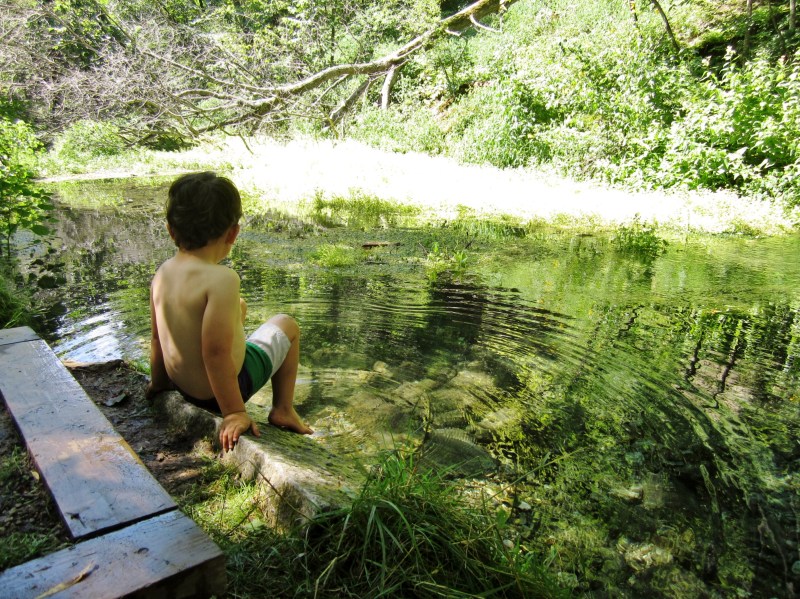
While camping at Beaver Creek Valley State Park two weeks ago, my family enjoyed a weekend of simple pleasures and unexpected treasures.
Read MoreStep right up folks! Welcome to the one, the only, “Water Bar,” where the only thing we’re serving every day is water. Good evening, ma’am – beautiful day to be at the Washington County Fair, is it not? Would you care to try a sample of one of our locally sourced waters today? This one…
Read More
There are many places where groundwater is already contaminated due to industry and agriculture, leaving even less of an already precious resource available to us.
Read More
More water running off the land means less infiltrating down into aquifers; that combined with more people washing clothes, watering lawns and flushing toilets has resulted in declining groundwater levels in some parts of the watershed.
Read More
Across Minnesota, 533 streams and river reaches have unsafe levels of E. coli or fecal coliform, which are bacteria found in human and animal feces.
Read More
Throughout history, pouring salt on the land has symbolized a curse not only for current inhabitants, but also for future generations.
Read More East Metro Water