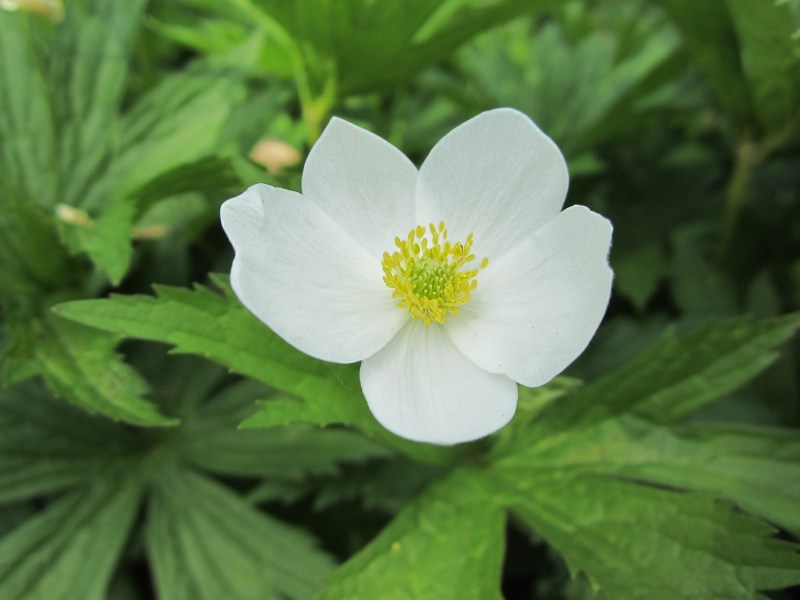
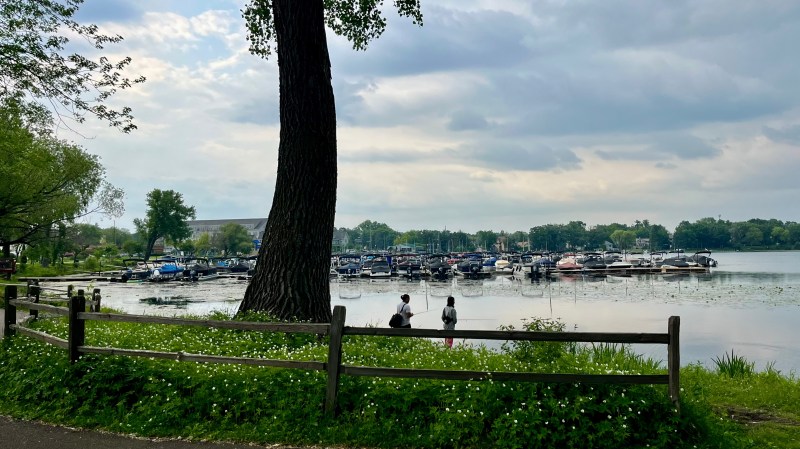
Flowers bloom in the shadow of a great white bear

White Bear is a lake with a storied past. At 2438 acres, it is the second largest lake in the Twin Cities metro, and its history features a legendary fight with a giant bear, steamships, gangsters, famous authors, legal battles, and even an amusement park. Recently, efforts led by the Washington Conservation District have focused on improving habitat and reducing stormwater runoff from small communities located along the southeast shore of the lake.    

Read More
Addressing the groundwater challenges of today and tomorrow

Over the past ten years, Washington County has focused on inter-agency collaboration for regional issues, as well as implementing local programs to reduce the risk of groundwater contamination and promote water efficiency. Now, they’re looking ahead toward future challenges.

Read More

Using rain barrels to save water and money

Rain barrels are a simple and inexpensive way to capture rainwater from your rooftop that would otherwise go to waste.

Read More

Wandering out of winter into spring

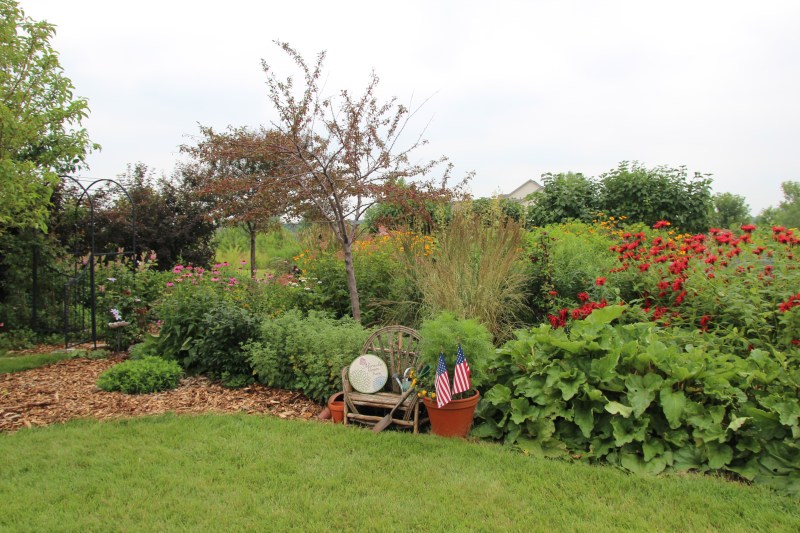
Beginning next week, local conservation partners are offering a variety of online and in-person workshops to help you transition from winter into spring, and, hopefully, create a more environmentally sustainable landscape in the process.

Read More

Adulting 101: Checking for water leaks in your home

According to the U.S. EPA, the average American household wastes 10,000 gallons of water per year, purely due to leaking toilets, sinks, and sprinkler systems.

Read More

Hard Fescue and SMART Controllers Allow for Green Grass with Less Water

At the end of a long, hot summer with no irrigation or rain, the plot with 100% hard fescue grass was still lush and green, while the one with Kentucky bluegrass was almost entirely dead.

Read More

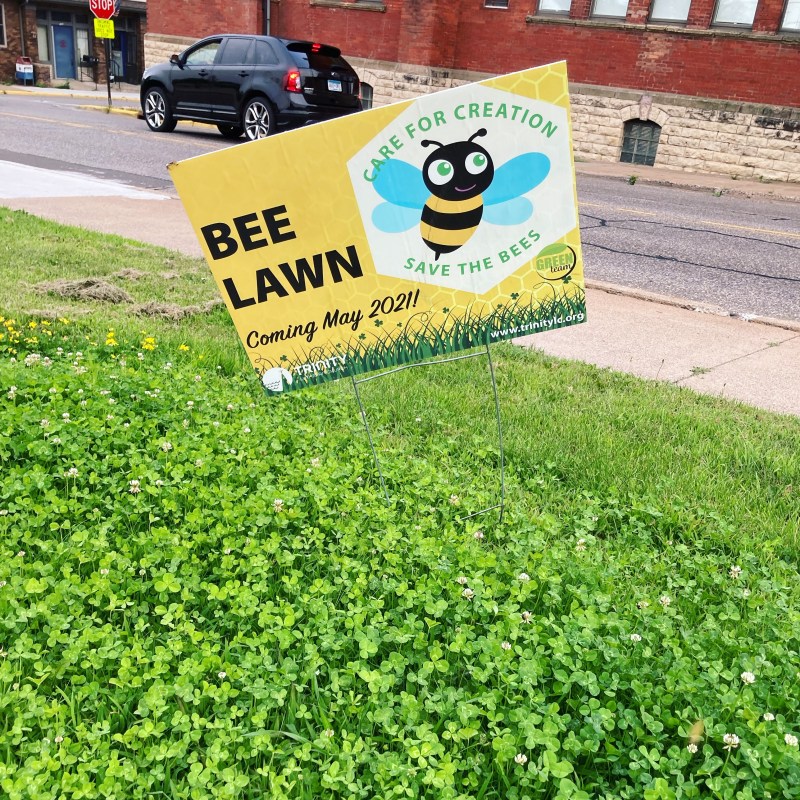
Bee Lawns are Green Lawns

Unlike typical lawns, bee-friendly lawns feature a mix of drought-tolerant fine fescue grasses and low-growing flowers such as Dutch white clover, creeping thyme, and self heal.

Read More

Boy Scouts and Water Stewards help to create outdoor classrooms in Woodbury

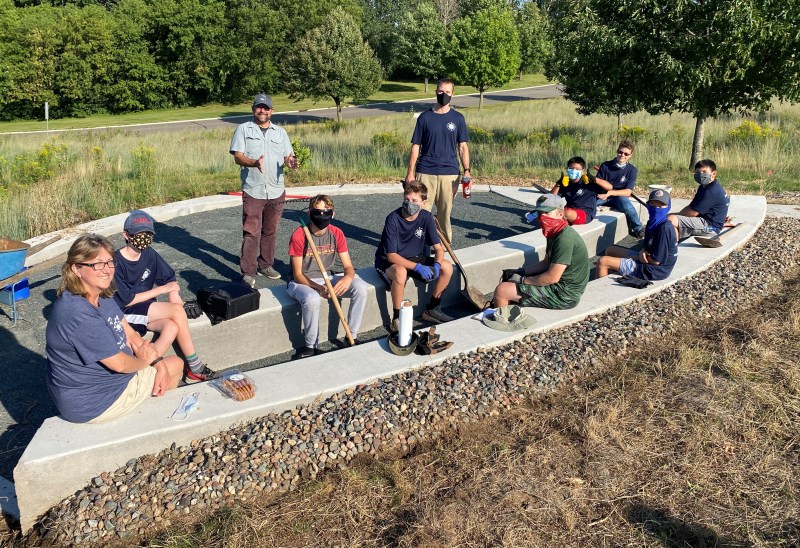
South Washington Watershed District created its Campus Greening program two years ago to encourage schools and other large campuses to think holistically about how they can meet stormwater management requirements when expanding buildings and parking areas. At the Lake and Middleton campus, South Washington County Schools (District 844) worked with SWWD to convert 15 acres of turf to prairie, plant 200 trees, and create the two new outdoor classrooms.

Read More

Green lawns for blue water and good health

Some common lawn care practices can harm wildlife, pets, and water resources. Happily, there are a few simple guidelines you can follow to get a healthy lawn that looks nice without harming the environment.

Read More