Who tracks water quality in the Forest Lake area, and how do we nurse impaired lakes and streams back to good health?
Read More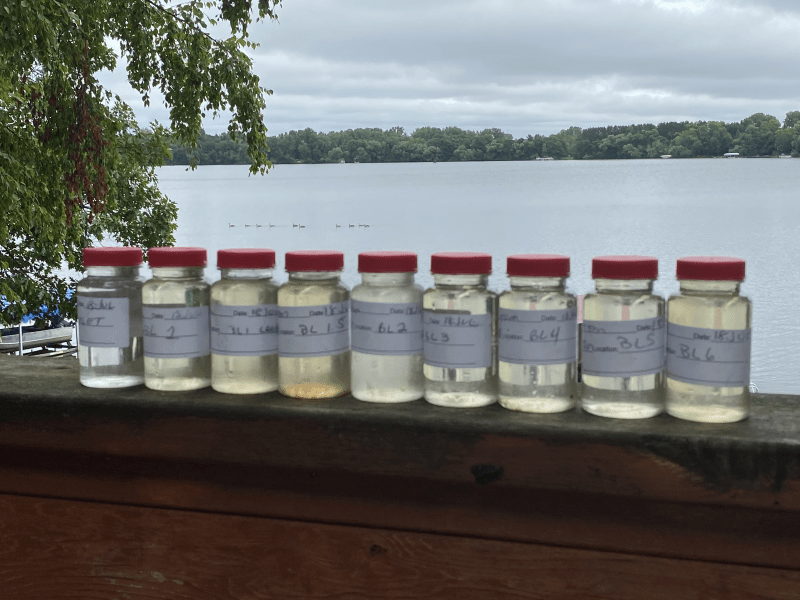
Tips and tales about keeping water clean
Who tracks water quality in the Forest Lake area, and how do we nurse impaired lakes and streams back to good health?
Read More
Rain barrels are a simple and inexpensive way to capture rainwater from your rooftop that would otherwise go to waste.
Read More
While a back-yard bird feeder is a great way to attract and enjoy watching birds in your yard, you can actually do far more for the birds by planting native flowers, shrubs, and trees.
Read More
Beginning next week, local conservation partners are offering a variety of online and in-person workshops to help you transition from winter into spring, and, hopefully, create a more environmentally sustainable landscape in the process.
Read More
The short answer is, it depends.
Read More
Is there a different pathway to the future in which we humans get to stay on earth but find new and better ways to live in harmony with nature?
Read More
The Minnesota Board of Water and Soil Resources (BWSR) is currently accepting applications for its Lawns to Legumes program. Apply online by February 15 for the opportunity to receive $300 in grant support to install native pocket plantings, native trees and shrubs, pollinator lawns, and pollinator meadows in order to restore and enhance habitat for birds and pollinators.
Read More
Once concentrations are high enough, the chloride becomes toxic to fish and invertebrates and can even prevent lakes from turning over the in spring and fall.
Read More
Lower Phalen Creek Project, a Native-Led, East Side environmental organization, has secured $2.8 million in funding from the Lessard-Sams Outdoor Heritage Council to begin daylighting Phalen Creek.
Read More
According to the U.S. EPA, the average American household wastes 10,000 gallons of water per year, purely due to leaking toilets, sinks, and sprinkler systems.
Read More East Metro Water