When the snow falls and lakes freeze over, Minnesota’s wildlife employ a variety of adaptations to stay alive.
Read More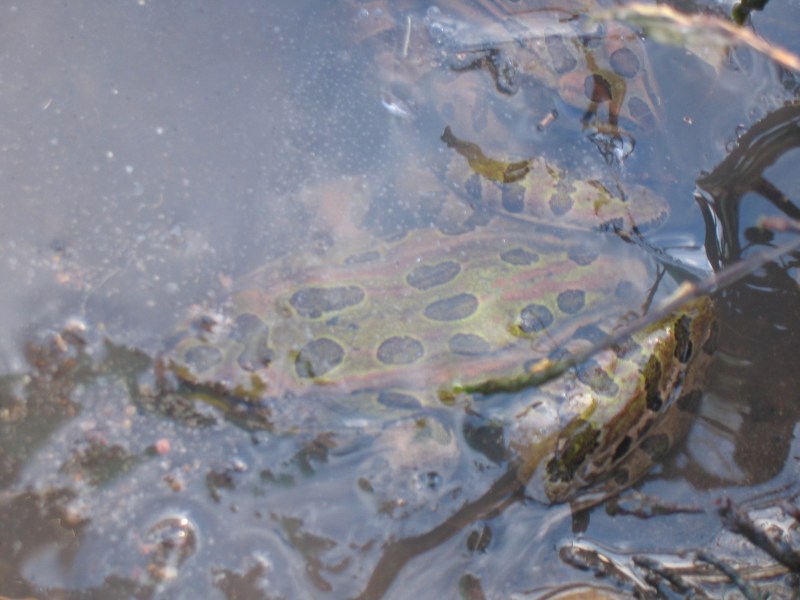
Tips and tales about keeping water clean
When the snow falls and lakes freeze over, Minnesota’s wildlife employ a variety of adaptations to stay alive.
Read More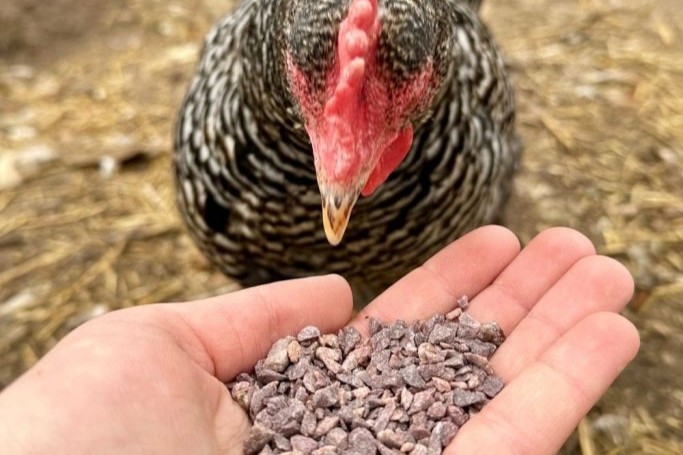
One way that homeowners, businesses, HOAs, and community organizations can help to reduce water pollution from winter salt is by using chicken grit as a no-salt alternative.
Read More
Last winter, Andy Riesgraf and Emily Fairfax teamed up to establish Beaver Innovations LLC, a UMN start-up company that is focused on finding ways to help beavers and people coexist in harmony.
The duo’s first three beaver co-existence projects are located in Washington County at the Big Marine Park Reserve expansion site and Cottage Grove Ravine Regional Park, made possible by funding from Pollinator Friendly Alliance’s biodiversity project.
Read More
How and why are chemicals like estrone, DEET, cocaine, antidepressants, oxycodone, and veterinary antibiotics ending up in our lakes and rivers?
Read More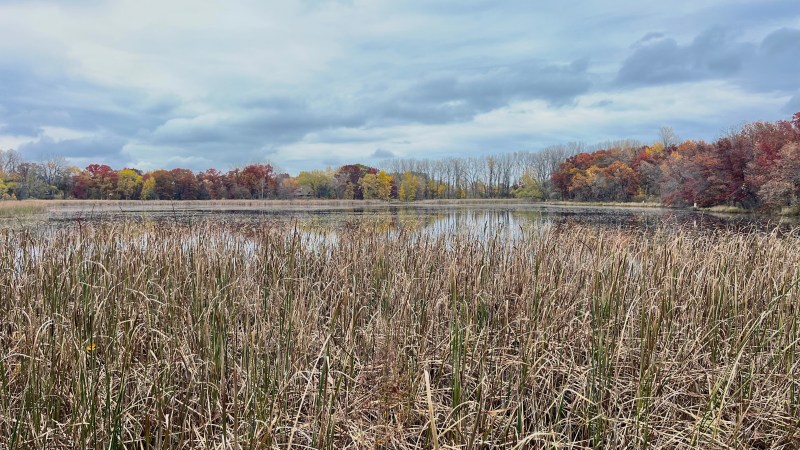
Could cattails help to solve phosphorus and chloride pollution in some of our lakes and wetlands? A new pilot initiative led by the South Washington Watershed District (SWWD) aims to find out.
Read More
Bluegreen algae blooms have become more prevalent in urban lakes, as well as in pristine northern lakes including Lake Itasca, the Boundary Waters, and Quetico Wilderness Area.
Read More
We are excited to announce the winners of our inaugural Natural Shoreline Awards, sponsored by the East Metro Water Resource Education Program and Lower St. Croix Watershed Partnership. These awards recognize Minnesotans who are protecting lake, stream, and wetland habitat in Chisago, Isanti, Ramsey and Washington Counties.
Read More
White Bear is a lake with a storied past. At 2438 acres, it is the second largest lake in the Twin Cities metro, and its history features a legendary fight with a giant bear, steamships, gangsters, famous authors, legal battles, and even an amusement park. Recently, efforts led by the Washington Conservation District have focused on improving habitat and reducing stormwater runoff from small communities located along the southeast shore of the lake.
Read More
This summer, the Minnesota Department of Natural Resources has reported new infestations of aquatic invasive species – zebra mussels and starry stonewort – at a dozen lakes across the state. The discoveries underscore the inherent challenge of protecting Minnesota waterways in a state with more than 11,000 lakes, thousands of natural and manmade connections, and countless ways to access the water from public and private lands.
Read More
Lake sturgeon were nearly hunted to extinction in the late 1800s and early 1900s but can now be found throughout the St. Croix River, as well as in tributaries including the Namekagon and Kettle Rivers.
Read More East Metro Water