Interested in whipping up a batch of blue-green algae for your next family gathering? Here’s what you’ll need.
Read More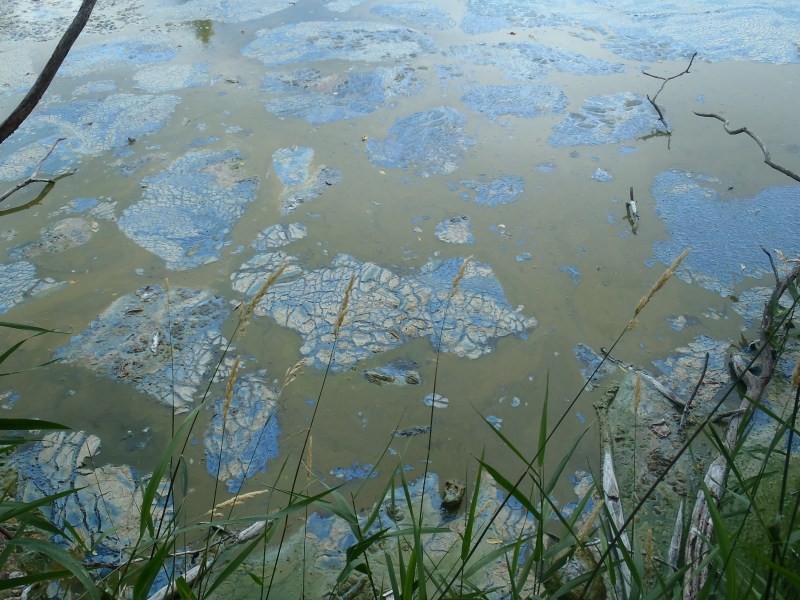
Tips and tales about keeping water clean
Interested in whipping up a batch of blue-green algae for your next family gathering? Here’s what you’ll need.
Read More
According to the Outdoor Industry Association, outdoor recreation in the United States generates 6.1 million jobs and $646 billion in consumer spending every year. In Minnesota, that translates into 118,000 jobs, $11.6 billion in consumer spending, and $815 million in state and local tax revenue.
Read More
The Suwannee River Mine, which opened in northern Florida in 1965, was once one of our nation’s most productive sources for rock phosphate, the raw material used to manufacture phosphoric acid (phosphorus).
Read More
Across Minnesota, 533 streams and river reaches have unsafe levels of E. coli or fecal coliform, which are bacteria found in human and animal feces.
Read MoreYou might be surprised to learn that mercury from the air is, by far, the leading cause of pollution in our Minnesota lakes and rivers.
Read More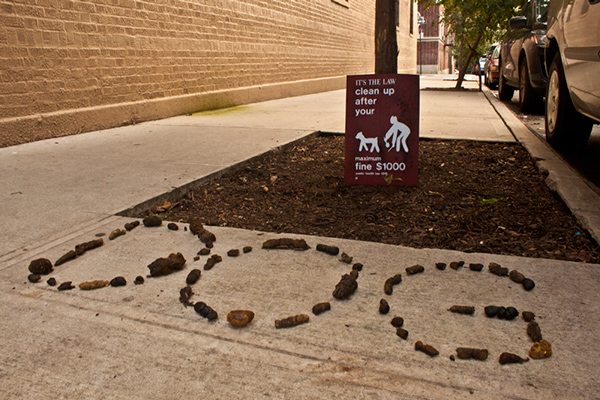
Are you four years old? Forty-four years old? Do you like to talk about poop? Come on, admit it. Poop is a little bit funny isn’t it? Two years ago we went on vacation to Jamaica. My son, who was two at the time, had just learned how to use the toilet three weeks before…
Read More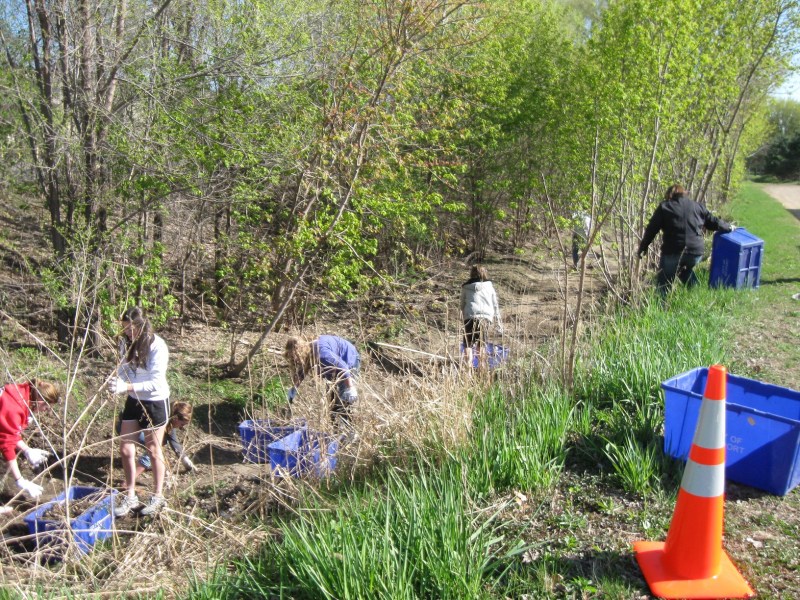
Plastic bottles, bags, cigarette butts and other garbage in streets and roadside ditches are eventually washed into lakes and rivers when the snow melts or it rains. The Mississippi river gathers runoff (and trash) from 1,245,000 square miles and carries it to the Gulf of Mexico.
Read More
The Washington Conservation District offers free site visits for all Washington County landowners and can provide advice and sometimes financial assistance to control noxious weeds, prepare pasture management and whole-farm plans, and complete projects to reduce mud, repair gullies, and reestablish vegetation along streamside and wetland areas, or install fencing to keep horses and other livestock out of wetlands, lakes and streams. This year’s horse workshop is scheduled for Monday, March 21, 5:30-8:30pm at the Washington Conservation Center in Oakdale.
Read MoreThese programs connect people directly with the farmers growing their food. Members sign up during the spring and pay all or a portion of their payment in advance. Then, during the growing season, they receive a box of food every week – usually vegetables, but sometimes also fruit, eggs, meat or honey.
Read More
This one project will treat 90% of the drainage area to Sand Lake, with the exception of the Hay Lake overflow, and will remove twice as much phosphorus as all the other possible projects combined.
Read More East Metro Water