Way down south along the Mississippi River, great blue herons are on the move. This week they crossed the border into Missouri. By the end of the month, we’ll welcome them back to Minnesota.
Read More
Tips and tales about keeping water clean
Way down south along the Mississippi River, great blue herons are on the move. This week they crossed the border into Missouri. By the end of the month, we’ll welcome them back to Minnesota.
Read More
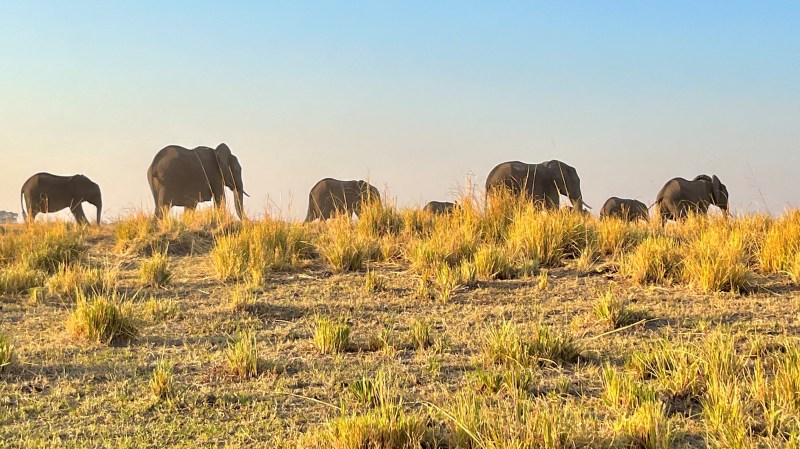
As we embark on the 100-year anniversary of Black History Month, explore examples of Black-led conservation from around the world – Botswana, Haiti, and Minnesota.
Read More
Road maintenance in rural communities like Grant and Stillwater Township is significantly different than in larger cities like Oakdale and Woodbury. A new rural roads training module aims to help small communities stretch their limited public works budgets while also protecting local lakes and streams from salt and sediment pollution.
Read More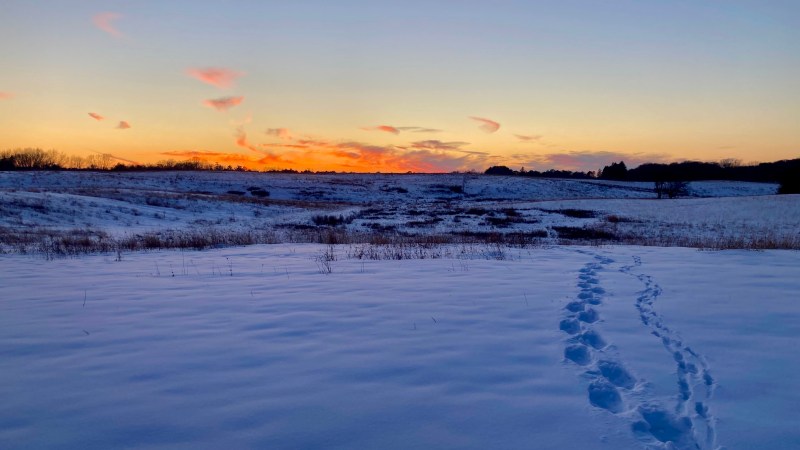
The winter solstice is celebrated by many different cultures around the world with stories, festivities, and quiet moments of gathering, almost always filled with light. Though plants and animals don’t commemorate the winter solstice the same way as people, they do recognize and respond to the changes in warmth and daylight.
Read More
Learn about Indigenous-led organizations, including the Great Lakes Indian Fish & Wildlife Commission (GLIFWC), Waḳaƞ Ṭípi Awanyankapi (formerly known as Lower Phalen Creek Project), Owámniyomni Okhódayapi (formerly known as Friends of the Falls), and Dream of Wild Health.
Read More
At Chain Lake Pastures, Rick utilizes a holistic approach to farming known as regenerative agriculture, which aims to restore and improve the health of the land, water, and ecosystems. His conservation ethic also led Rick to become a board supervisor for the Chisago SWCD in 2023.
This fall, the Chisago SWCD celebrates its 75th anniversary and Rick Cedergren is happy to carry on a family tradition – growing healthy food and healthy soil in northern Chisago County.
Read More
The Mississippi tops American Rivers’ list of Most Endangered Rivers. And yet, as we look toward the future, there are reasons to remain optimistic.
Learn more and find ways to engage during “Mississippi River Days of Action” on June 1 – 15.
Read More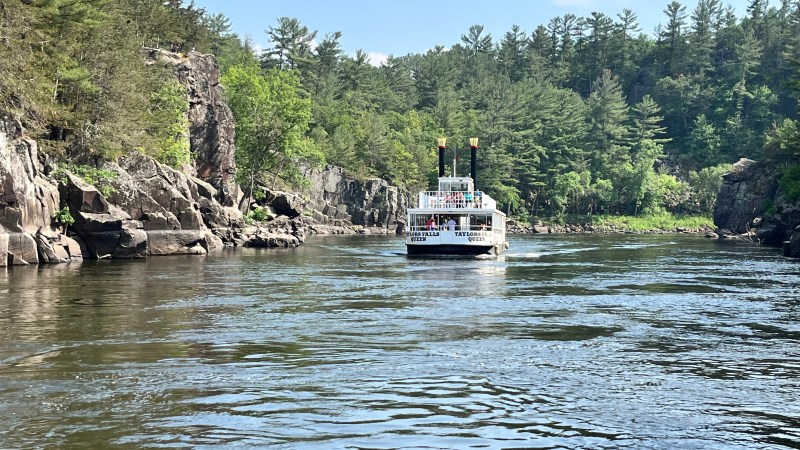
Nearly 8000 square miles of land in Minnesota and Wisconsin drains to the St. Croix River. Within this larger basin, 915 square miles of land on the Minnesota side is included in the Lower St. Croix watershed. This encompasses 127 lakes, over 1,000 miles of rivers and streams, and approximately 152,000 acres of wetlands.
In its first four years, the Lower St. Croix Watershed Partnership reduced phosphorus to local waterways by 10,959 pounds per year, which is nearly double what the group hoped to achieve over the course of its 10-year plan.
Read More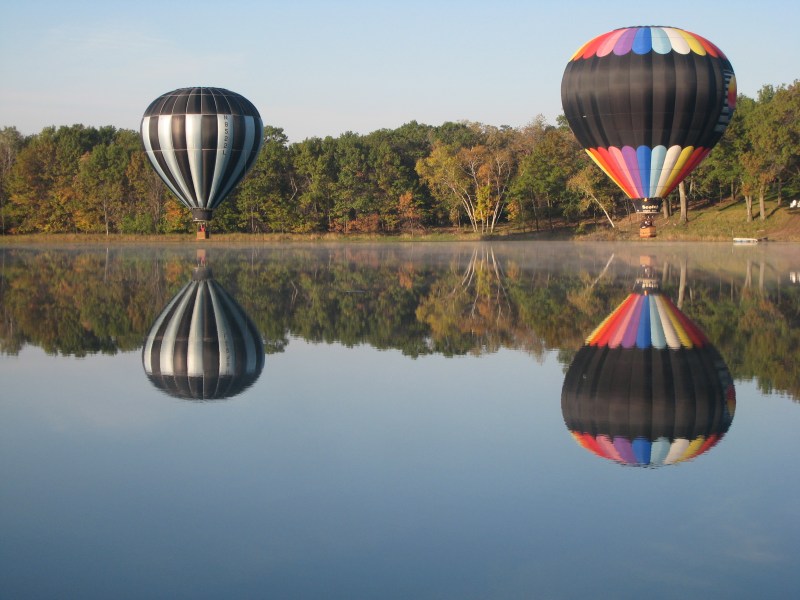
Minnesota is home to 200 Mud Lakes, 150 Long lakes, and 120 Rice lakes.
In addition to their actual names, the Minnesota DNR also assigns lakes a shoreland classification – natural environment, recreational development, or general development – that is used to guide lot size, setbacks, and land uses on surrounding properties.
Read More East Metro Water