Bluegreen algae blooms have become more prevalent in urban lakes, as well as in pristine northern lakes including Lake Itasca, the Boundary Waters, and Quetico Wilderness Area.
Read More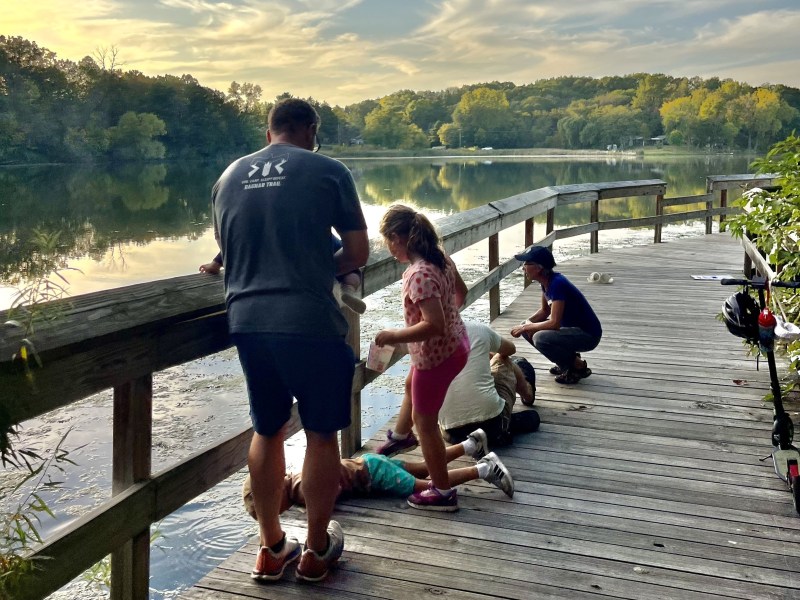
Tips and tales about keeping water clean
Bluegreen algae blooms have become more prevalent in urban lakes, as well as in pristine northern lakes including Lake Itasca, the Boundary Waters, and Quetico Wilderness Area.
Read More
Across the state, numerous beaches have closed unseasonably early due to blue-green algal blooms, which can be toxic to both people and dogs.
How can you tell the difference between blue-green algae and run-of-the-mill pond scum?
Read More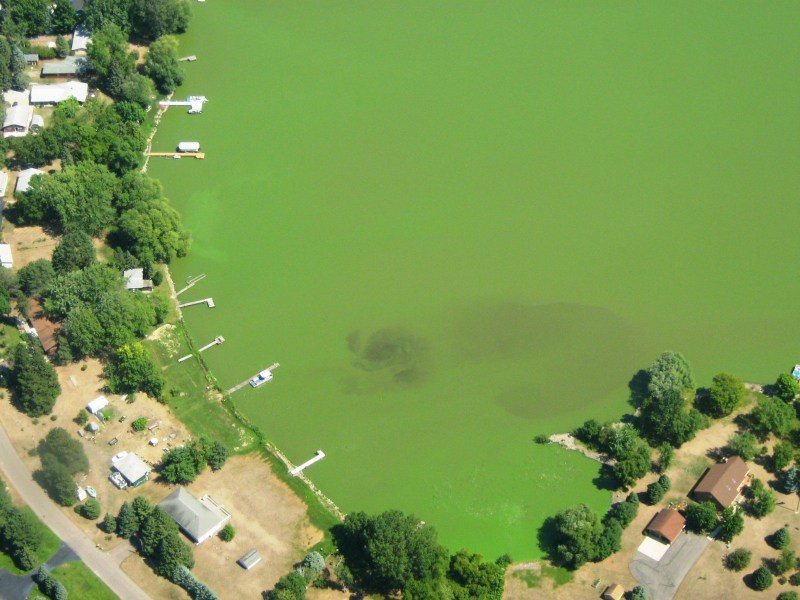
Usually, algae and aquatic plants are merely a nuisance, but sometimes a form of cyanobacteria known as blue-green algae can bloom and release toxins that make humans and animals sick.
Read More
This summer, visitors to Carver Lake Park will discover a newly renovated parking lot, complete with a 5220 sq ft raingarden and 8000 sq ft of native plantings designed to filter and treat polluted runoff, as well as create habitat for birds and pollinators. The raingarden will capture 0.7lb of phosphorus, which is enough to prevent 350 pounds of algae from growing in the lake.
Read More
Algae blooms in Carver Lake and other urban lakes are usually caused by too much phosphorus flowing into the water from sidewalks, streets, and parking lots.
Help to keep our lakes blue by sweeping dirt and yard waste off of your sidewalk, driveway and curb-line throughout the year and adopting your local storm drain: http://www.adopt-a-drain.org.
Read More
Explanations for recent phenomena observed in Forest Lake In recent weeks, several people have contacted the Comfort Lake-Forest Lake Watershed District (CLFLWD) to report fish kills and algal growth observed in Forest Lake. Read on to learn what’s behind these recent phenomena. Fish Kill: After conversation with the Minnesota DNR, watershed district staff have concluded…
Read More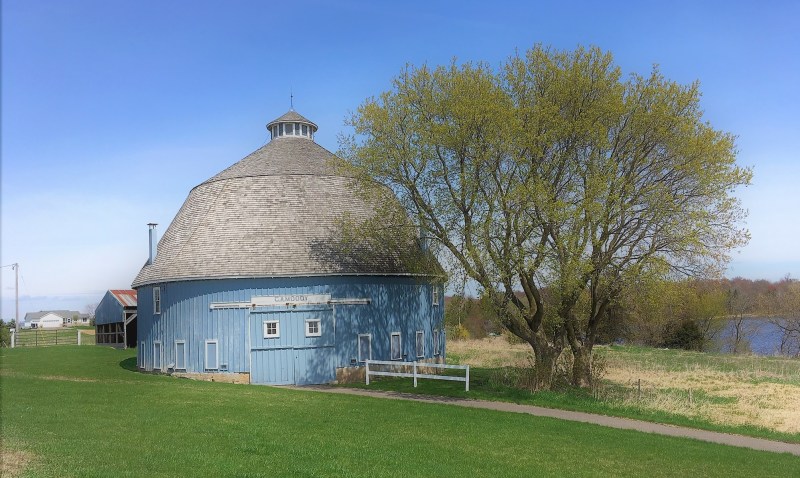
Comfort Lake – Forest Lake Watershed District rounds out multi-year project with fall alum treatment In 1871, Elof and Eva Modig migrated to the United States from Sweden, purchased land near a small lake in southern Chisago County (at $1.25 an acre) and settled down to build a house and begin farming wheat. Over the…
Read More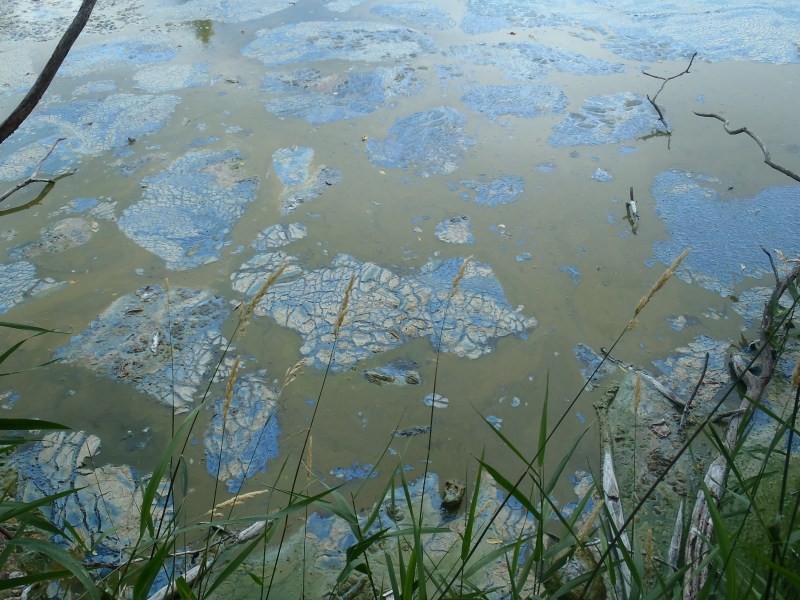
Interested in whipping up a batch of blue-green algae for your next family gathering? Here’s what you’ll need.
Read More East Metro Water