The landscape of Washington County has changed tremendously since 1942, but many of our conservation challenges and solutions remain the same.
Read More
Tips and tales about keeping water clean
The landscape of Washington County has changed tremendously since 1942, but many of our conservation challenges and solutions remain the same.
Read More
Volunteers can choose between three activities: 1) Picking up litter from the shoreline at the Boom Site wayside; 2) Picking up litter from islands between the Boom Site landing and high Bridge (bring your own boat); or 3) Removing invasive species from the Aiple property just north of the Stillwater Depot.
Read More
Collecting water quality data from streams is not nearly as easy as collecting data from lakes and rivers.
Read More
In the United States, most of us are accustomed to lakes and rivers that are clean enough to swim, fish, and play in, without risk from rotting carcasses or dangerous bacteria and viruses.
Read More
Many homeowners and most businesses use way more salt than necessary. In reality, a relatively light dusting with about 3-inches of space between each granule of salt is enough to melt ice effectively without wasting salt.
Read More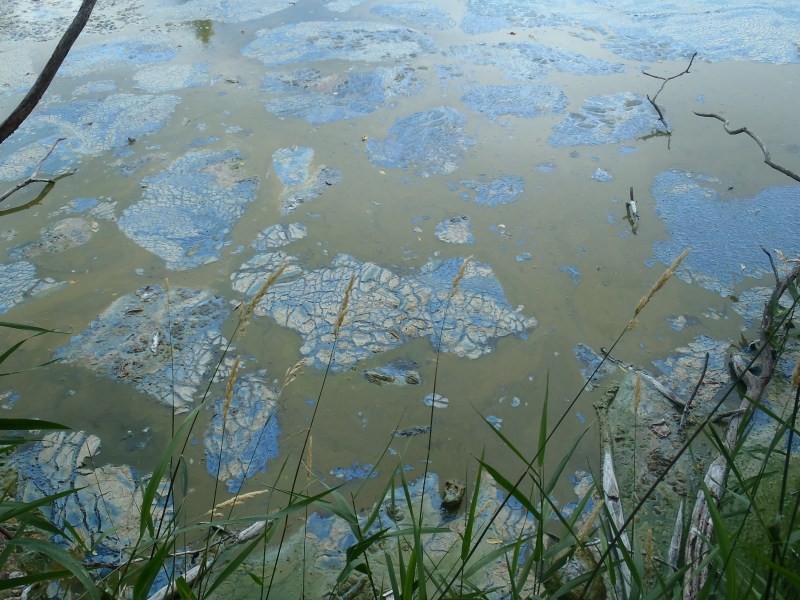
Interested in whipping up a batch of blue-green algae for your next family gathering? Here’s what you’ll need.
Read More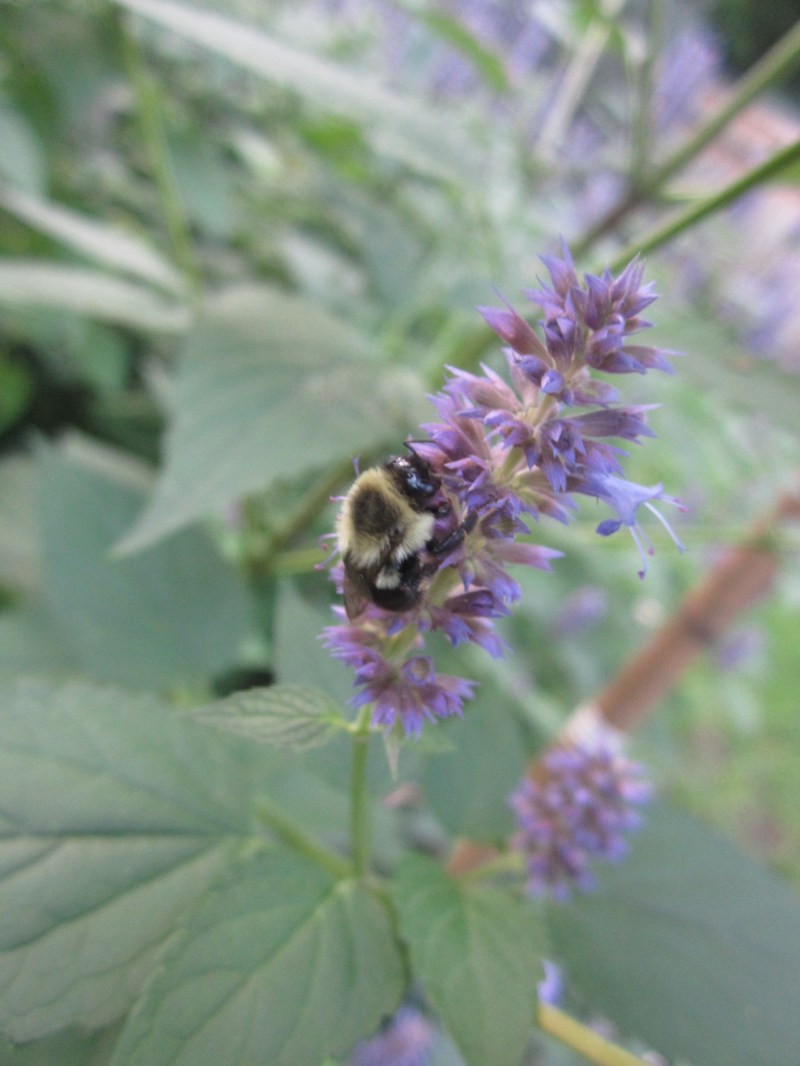
Since your own lawn is small, you might be surprised to learn that turf grass covers more acres of land in the U.S. than the eight largest agricultural crops combined. Imagine what a difference it would make if all of us converted ¼ of our lawn to native plantings that provide habitat for pollinators, birds and wildlife.
Read More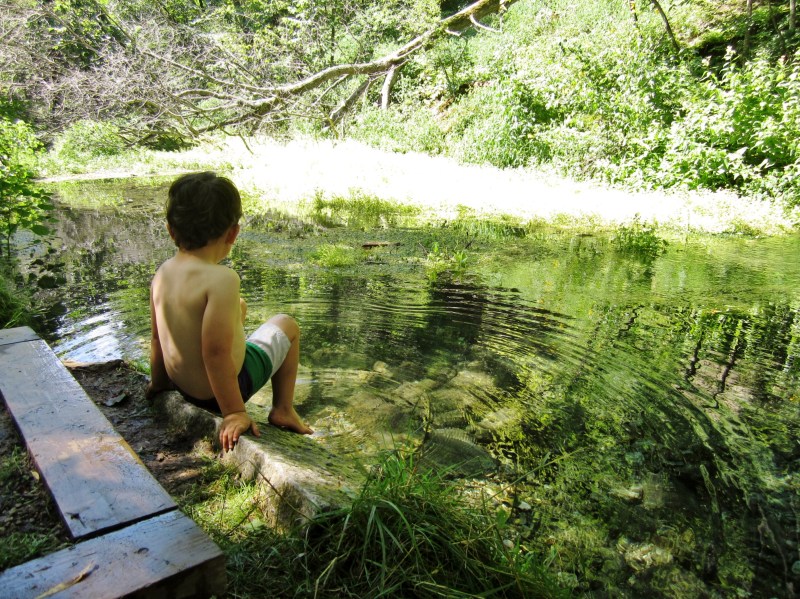
While camping at Beaver Creek Valley State Park two weeks ago, my family enjoyed a weekend of simple pleasures and unexpected treasures.
Read MoreYou might be surprised to learn that mercury from the air is, by far, the leading cause of pollution in our Minnesota lakes and rivers.
Read MoreThese programs connect people directly with the farmers growing their food. Members sign up during the spring and pay all or a portion of their payment in advance. Then, during the growing season, they receive a box of food every week – usually vegetables, but sometimes also fruit, eggs, meat or honey.
Read More East Metro Water