Minnesota Water Stewards goes statewide

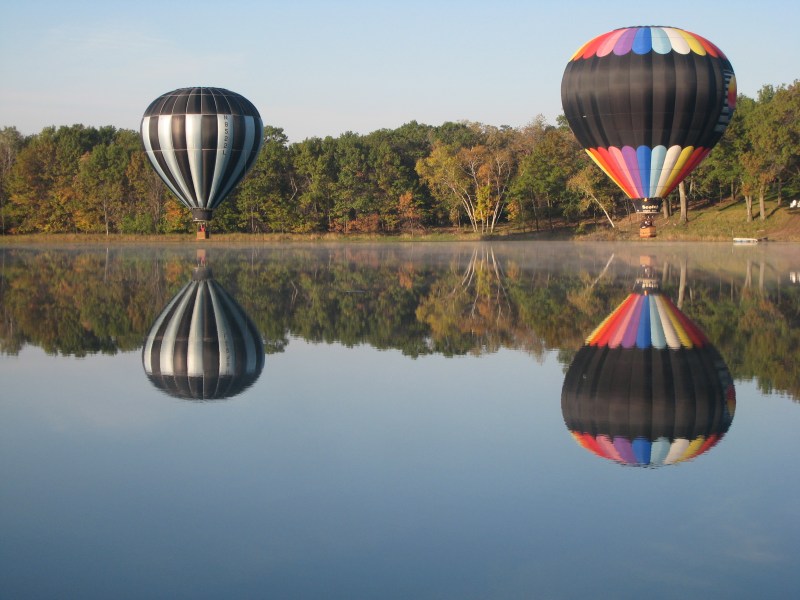
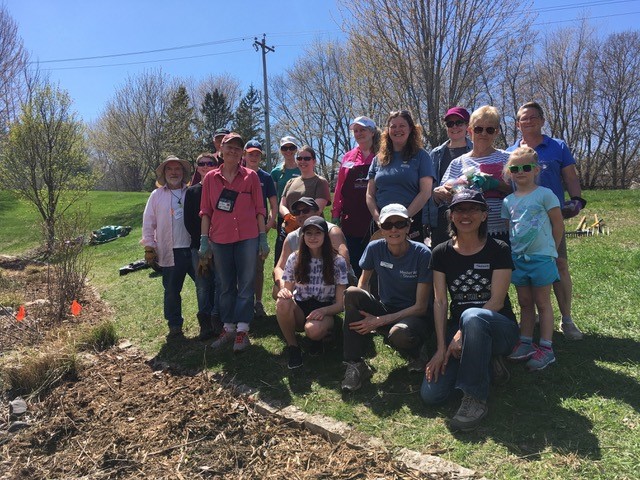
David, Kim, Barb and Mike are part of an elite cadre of volunteers helping to engage communities across Minnesota and western Wisconsin in grass-roots projects to protect and restore lakes, rivers, and streams.

Beginning in 2026, Freshwater is taking the program statewide and removing the enrollment fee so that more people can participate. Locally, the St. Croix Valley Foundation has provided grant funds to Washington Conservation District (WCD), Freshwater, and North Woods and Waters to train-in a new cohort of volunteers, starting in 2026.

Read More
Meet our 2025 Natural Shoreline Award winners!

We are excited to announce the winners of our inaugural Natural Shoreline Awards, sponsored by the East Metro Water Resource Education Program and Lower St. Croix Watershed Partnership. These awards recognize Minnesotans who are protecting lake, stream, and wetland habitat in Chisago, Isanti, Ramsey and Washington Counties.

Read More

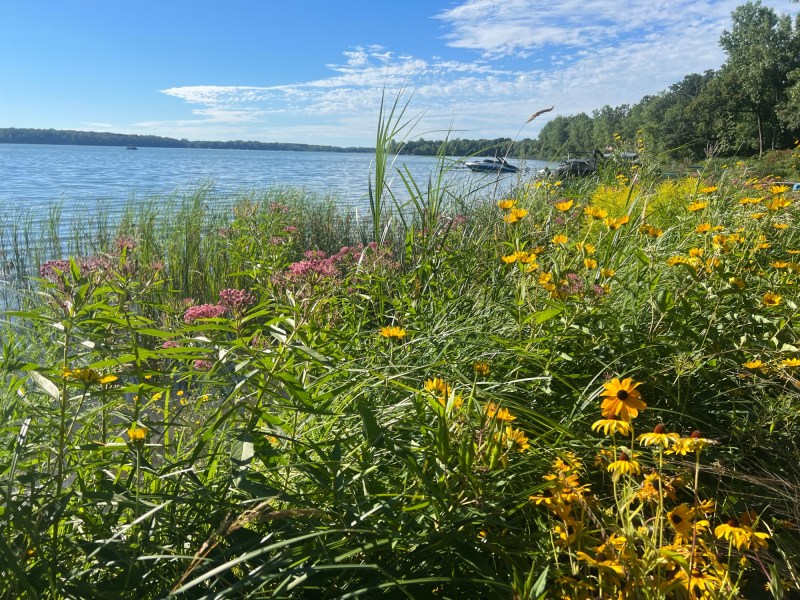
Flowers bloom in the shadow of a great white bear

White Bear is a lake with a storied past. At 2438 acres, it is the second largest lake in the Twin Cities metro, and its history features a legendary fight with a giant bear, steamships, gangsters, famous authors, legal battles, and even an amusement park. Recently, efforts led by the Washington Conservation District have focused on improving habitat and reducing stormwater runoff from small communities located along the southeast shore of the lake.    

Read More

Score your shore: A tool to measure the health of your lakeshore property

Maintaining and restoring lakeshore habitat isn’t just good for wildlife, it also helps to protect valuable real estate from literally washing away.

Read More

Keeping invaders out of Minnesota waters

In 2024, Minnesota deployed more than 800 watercraft inspectors to public boat launches around the state to help staunch the spread of zebra mussels, spiny waterflea, and other aquatic invaders. The goal? Preserve Minnesota’s famed “good life” and protect fishing, tourism, and cultural mainstays such as wild ricing and “up north at the cabin.”

One reason for optimism is that we are seeing fewer new infestations and better compliance with state laws for watercraft cleaning and inspections.

Unfortunately, however, the DNR still reported 41 new AIS infestations in Minnesota lakes and rivers last year.

Read More

Minnesota Lakes – What’s in a Name?

Minnesota is home to 200 Mud Lakes, 150 Long lakes, and 120 Rice lakes.

In addition to their actual names, the Minnesota DNR also assigns lakes a shoreland classification – natural environment, recreational development, or general development – that is used to guide lot size, setbacks, and land uses on surrounding properties.

Read More

With spring in sight, local communities prepare for an early boating season

From 2016 to 2023, the number of inspected watercraft In Washington County with drain plug violations dropped from 7% to 1%. This is an indication that watercraft inspections and AIS education programs are working.

Read More

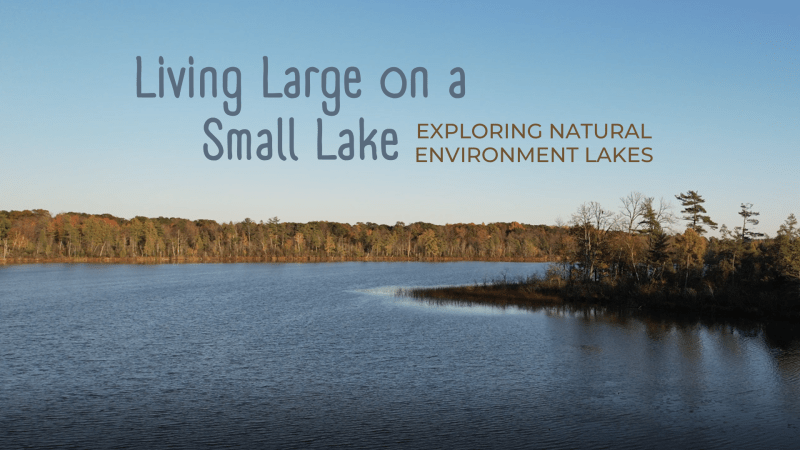
Living Large on a Small Lake – Exploring Natural Environment Lakes

As much as we like to focus on the biggest and the best, however, roughly 70% of Minnesota’s lakes are actually considered natural environment lakes, a shoreland classification that is generally applied to shallow lakes with limited capacity to absorb the impacts of development and recreational use.

Read More

Is it safe to fish and swim?

How can you determine if your favorite local lake is safe for fishing and swimming? Though water quality data is collected and updated regularly, finding the information online isn’t terribly intuitive.

Read More

A healthy shore is a happy lake

Shoreline landscaping workshops: April 18 and May 8

In the Land of 10,000 lakes, more and more lakeshore landowners are turning toward natural solutions that combine bio-engineering with deep-rooted, native plants to stabilize the land along the water’s edge while also maintaining connected corridors of habitat for beneficial insects, fish, birds, frogs, turtles, and other kinds of wildlife

Read More