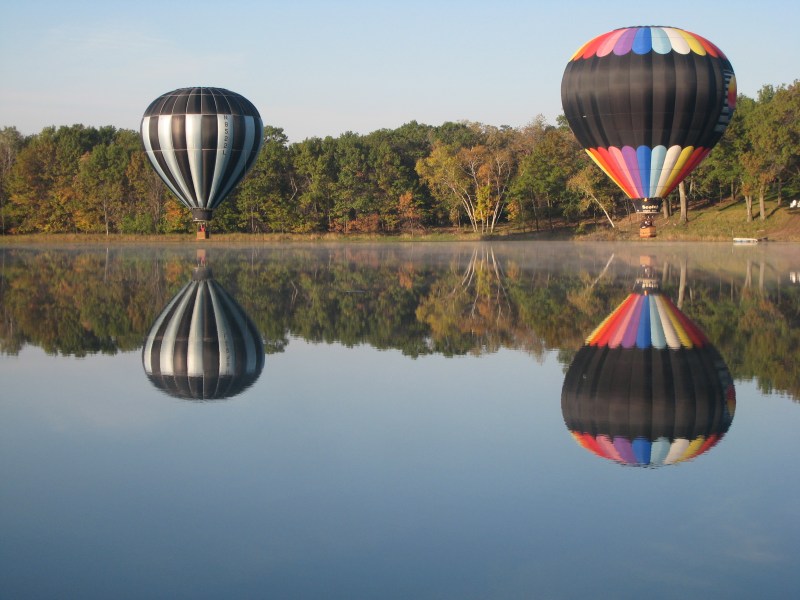
Minnesota Lakes – What’s in a Name?

Minnesota is home to 200 Mud Lakes, 150 Long lakes, and 120 Rice lakes.

In addition to their actual names, the Minnesota DNR also assigns lakes a shoreland classification – natural environment, recreational development, or general development – that is used to guide lot size, setbacks, and land uses on surrounding properties.

Read More
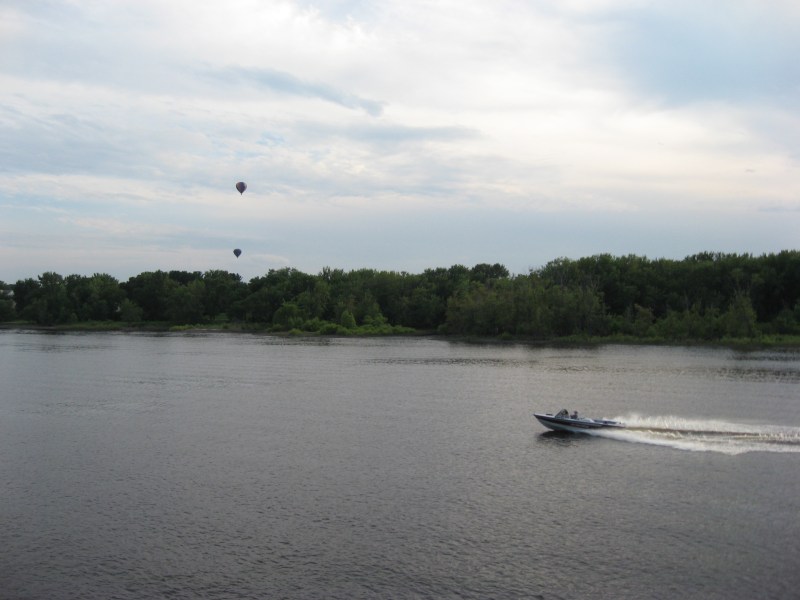
With spring in sight, local communities prepare for an early boating season

From 2016 to 2023, the number of inspected watercraft In Washington County with drain plug violations dropped from 7% to 1%. This is an indication that watercraft inspections and AIS education programs are working.

Read More

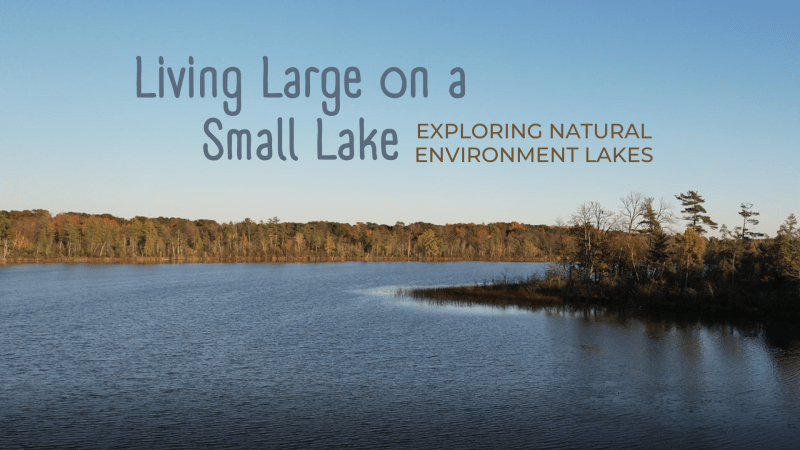
Living Large on a Small Lake – Exploring Natural Environment Lakes

As much as we like to focus on the biggest and the best, however, roughly 70% of Minnesota’s lakes are actually considered natural environment lakes, a shoreland classification that is generally applied to shallow lakes with limited capacity to absorb the impacts of development and recreational use.

Read More

Is it safe to fish and swim?

How can you determine if your favorite local lake is safe for fishing and swimming? Though water quality data is collected and updated regularly, finding the information online isn’t terribly intuitive.

Read More

A healthy shore is a happy lake

Shoreline landscaping workshops: April 18 and May 8

In the Land of 10,000 lakes, more and more lakeshore landowners are turning toward natural solutions that combine bio-engineering with deep-rooted, native plants to stabilize the land along the water’s edge while also maintaining connected corridors of habitat for beneficial insects, fish, birds, frogs, turtles, and other kinds of wildlife

Read More

Mercury levels going down in Minnesota lakes

In 2020, the MPCA removed Forest Lake, Tanners Lake (Oakdale), Owasso (Roseville/Shoreview), Johanna (Arden Hills) and eight lakes in northern Minnesota from the state’s impaired waters list. This was the first time in Minnesota history that any lake or river recovered from a mercury impairment.

Read More

Local lakes at risk of too much love

As shorelines become increasingly more developed, we start to see shoreline erosion, fewer fish and wildlife, more algae in the water, and diminished water clarity.

Read More

Volunteer to protect Minnesota lakes from aquatic invasive species

During Starry Trek, scheduled this year for Aug. 20, volunteers gather at training sites to learn how to identify starry stonewort and then head out to local water accesses to search for signs of the invasive species.

Read More

Tracking the health of Forest Lake area lakes and streams

Who tracks water quality in the Forest Lake area, and how do we nurse impaired lakes and streams back to good health?

Read More

A Martha Stewart Guide to Lake Water Quality

Three variables – water clarity, total phosphorus, and chlorophyll – are combined to create a metric known as a trophic state index.

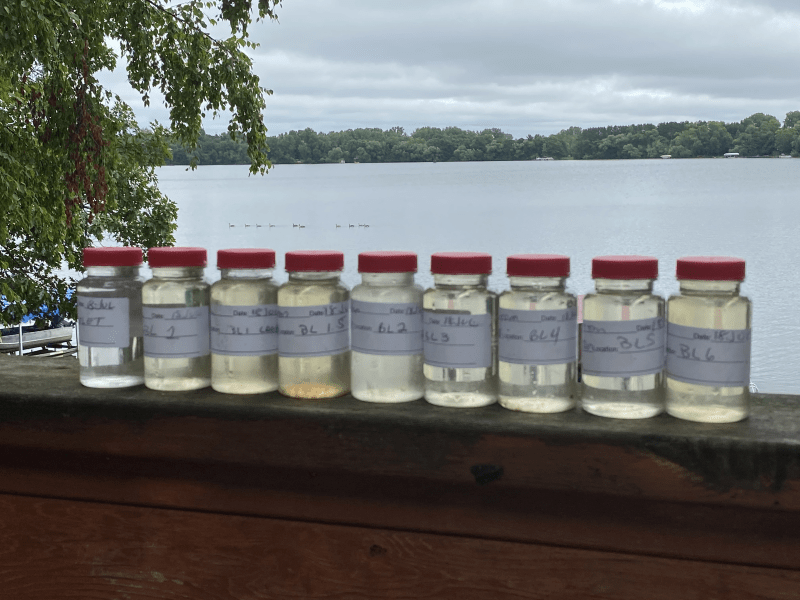
A few years back, Jerry Spetzman began noticing that the color of the algae samples on a white filter corresponded almost perfectly with the lakes’ overall water quality.

Read More