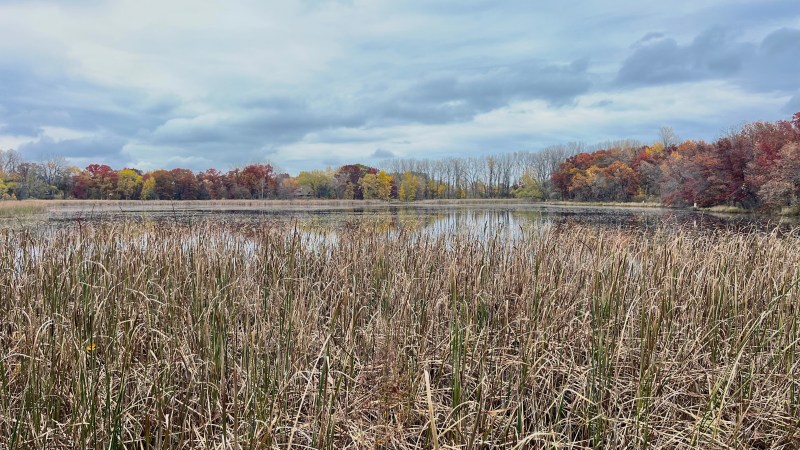
Could cattails help to solve phosphorus and chloride pollution in some of our lakes and wetlands? A new pilot initiative led by the South Washington Watershed District (SWWD) aims to find out.
Read More
Tips and tales about keeping water clean
Could cattails help to solve phosphorus and chloride pollution in some of our lakes and wetlands? A new pilot initiative led by the South Washington Watershed District (SWWD) aims to find out.
Read More
The alum will draw phosphorus out of the water column and also seal sediment on the lake bottom so that the nutrient can no longer feed algae.
Read More
Cities use street sweepers to maintain a tidy appearance, but these machines can also be an important and cost-effective tool for reducing stormwater pollution.
Read More
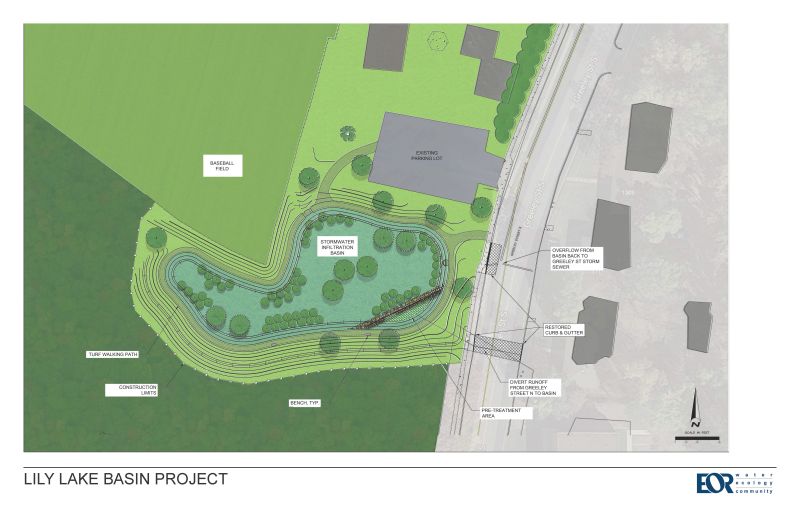
A new regional infiltration basin will collect and filter stormwater from a large area of land that includes commercial and residential property, delivering it to Lily Lake cleaner and with less phosphorus.
Read More
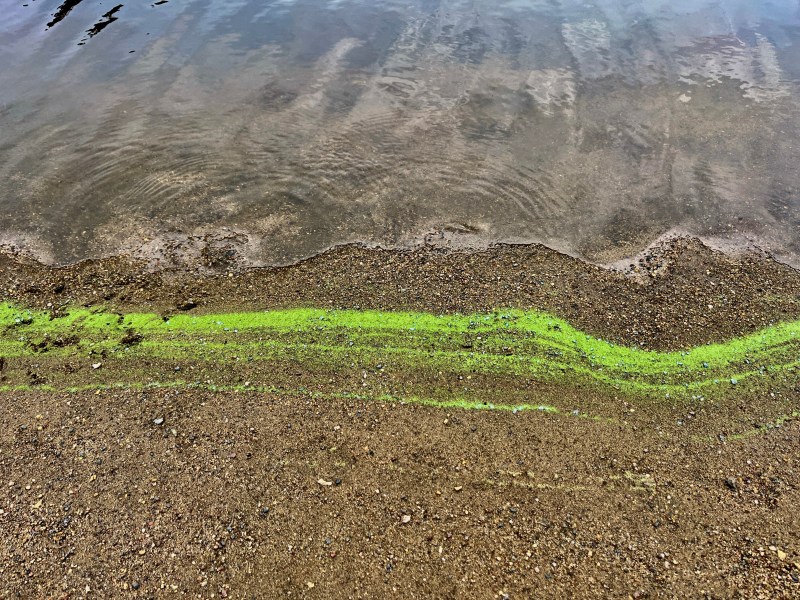
Algae blooms in Carver Lake and other urban lakes are usually caused by too much phosphorus flowing into the water from sidewalks, streets, and parking lots.
Help to keep our lakes blue by sweeping dirt and yard waste off of your sidewalk, driveway and curb-line throughout the year and adopting your local storm drain: http://www.adopt-a-drain.org.
Read More
Comfort Lake – Forest Lake Watershed District rounds out multi-year project with fall alum treatment In 1871, Elof and Eva Modig migrated to the United States from Sweden, purchased land near a small lake in southern Chisago County (at $1.25 an acre) and settled down to build a house and begin farming wheat. Over the…
Read More
Data shows that 40% of Minnesota lakes, rivers and streams are classified as impaired, and the East Metro and St. Croix Valley are no exception.
Read More
The Suwannee River Mine, which opened in northern Florida in 1965, was once one of our nation’s most productive sources for rock phosphate, the raw material used to manufacture phosphoric acid (phosphorus).
Read MoreConsider the contrast between what happens to fallen leaves in a forest, versus those in a city neighborhood.
Read MoreElsewhere across the east metro, homeowners wielding shovels and pitchforks laid traps, disguised as ornamental landscaping, to keep nutrients and other pollutants out of local waterways.
Read More