In addition to reducing downstream flooding, the Comfort Lake – Forest Lake Watershed District project will also keep 89 pounds per year of phosphorus and 51,000 pounds per year of sediment out of the Sunrise River.
Read More
Tips and tales about keeping water clean
In addition to reducing downstream flooding, the Comfort Lake – Forest Lake Watershed District project will also keep 89 pounds per year of phosphorus and 51,000 pounds per year of sediment out of the Sunrise River.
Read More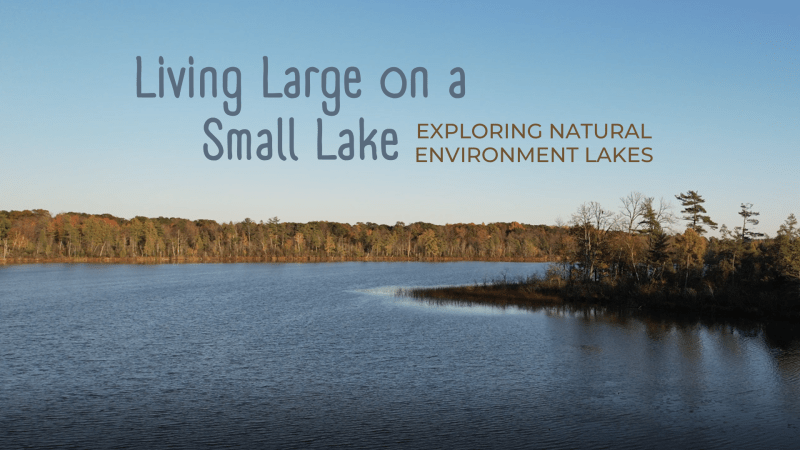
As much as we like to focus on the biggest and the best, however, roughly 70% of Minnesota’s lakes are actually considered natural environment lakes, a shoreland classification that is generally applied to shallow lakes with limited capacity to absorb the impacts of development and recreational use.
Read More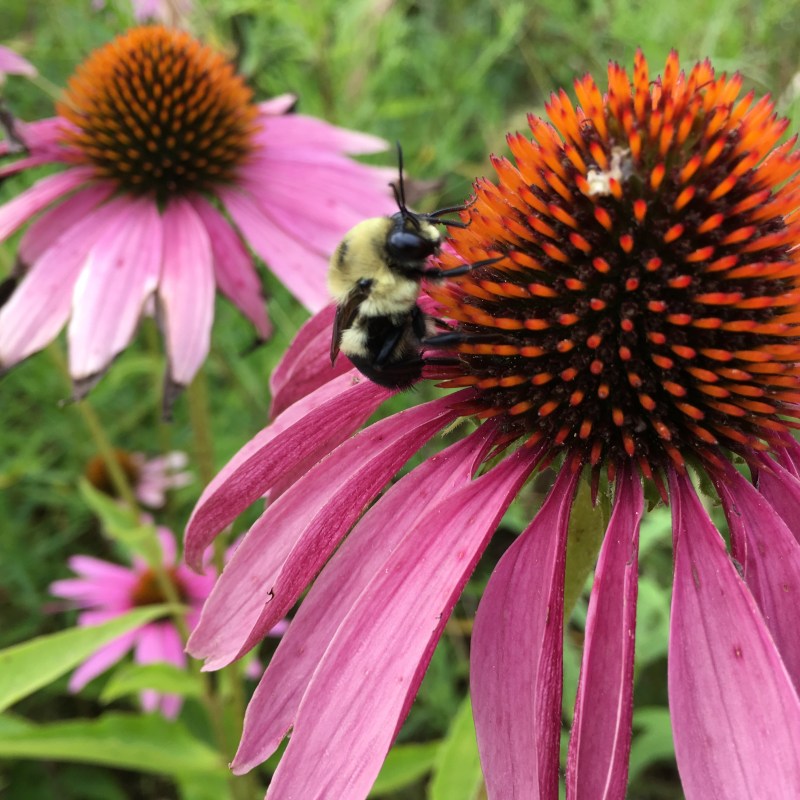
Minnesotans can apply for Lawns to Legumes cost-share funding between now and November 30
at http://www.Bluethumb.org. The grants are up to $400 and can be put toward pollinator planting projects such as pocket gardens, bee lawns, and flowering native trees.

Over the past ten years, Washington County has focused on inter-agency collaboration for regional issues, as well as implementing local programs to reduce the risk of groundwater contamination and promote water efficiency. Now, they’re looking ahead toward future challenges.
Read More
Landfall’s pollinator demonstration project features new native plantings on Tanner’s Lake, as well as at the Tot Lot playground, the community center, and a neighborhood cul de sac, and will also create a demonstration bee lawn behind the community center.
Read More
This Saturday, September 16, 10am-1pm, Brown’s Creek Watershed District and Bird City Stillwater (a workgroup of Sustainable Stillwater MN) will co-host a free, fun, family-friendly nature event designed to celebrate all things fin, feathers, and fur.
Read More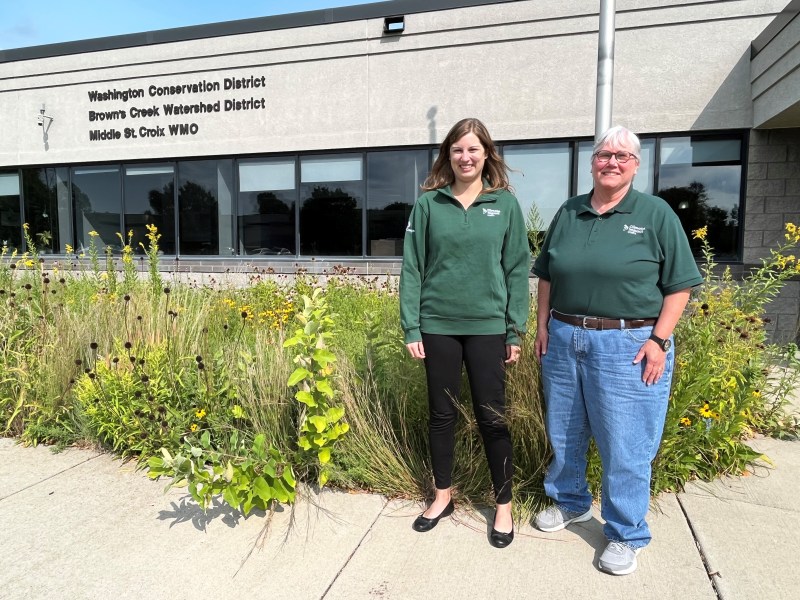
As community stewardship facilitators, Peterson and Maxfield will be working with homeowners’ associations, community groups, and local schools in Washington County.
Read More
In Chisago and Washington Counties, 100% of the water we drink comes from groundwater. This beautifully designed natural system provides us with a steady supply of pure, clean drinking water that is filtered by layers of gravel, sand and soil. Unfortunately, however, we’re beginning to see elevated levels of nitrate from fertilizer and chloride from road salt and water softener salt in the groundwater that people are drinking.
Read More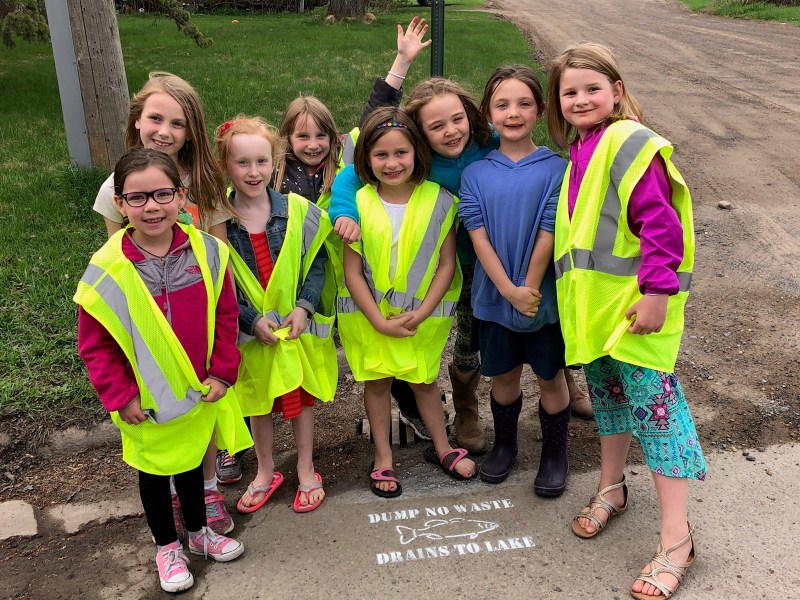
Communities roll out enhanced street sweeping programs and engage residents through Adopt-a-Drain.org to take a big bite out of urban stormwater pollution.
Read More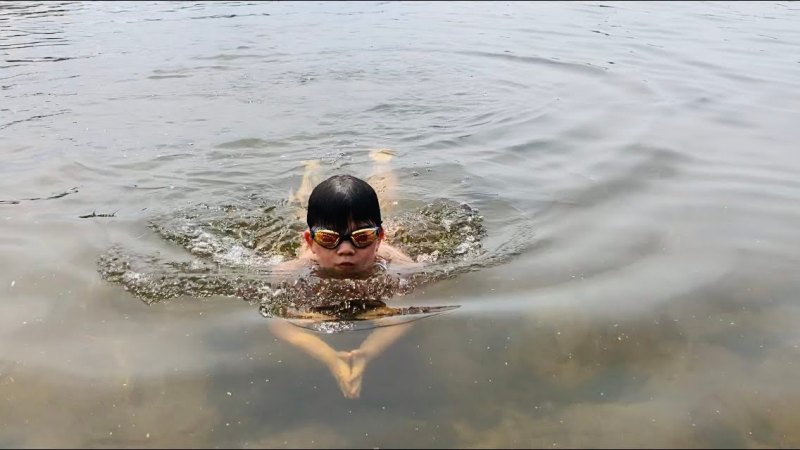
How can you determine if your favorite local lake is safe for fishing and swimming? Though water quality data is collected and updated regularly, finding the information online isn’t terribly intuitive.
Read More East Metro Water