Flowers bloom in the shadow of a great white bear

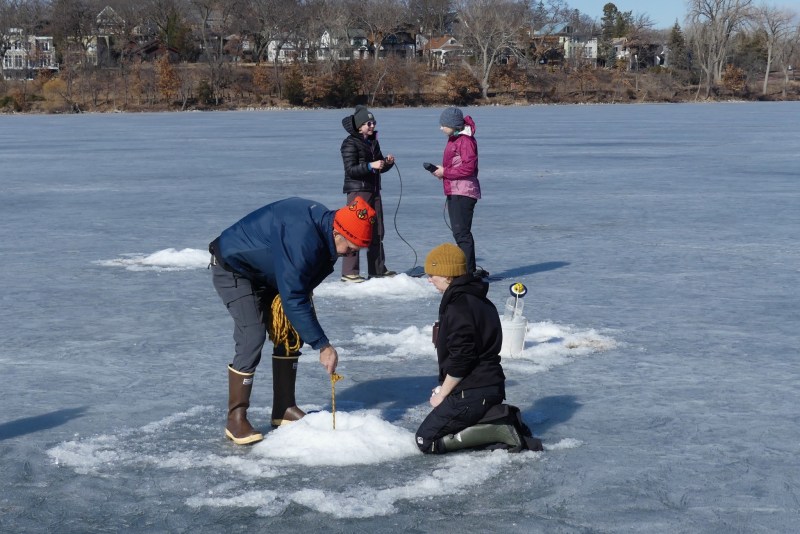
White Bear is a lake with a storied past. At 2438 acres, it is the second largest lake in the Twin Cities metro, and its history features a legendary fight with a giant bear, steamships, gangsters, famous authors, legal battles, and even an amusement park. Recently, efforts led by the Washington Conservation District have focused on improving habitat and reducing stormwater runoff from small communities located along the southeast shore of the lake.    

Read More
Zebra mussels and starry stonewort spread to more Minnesota lakes

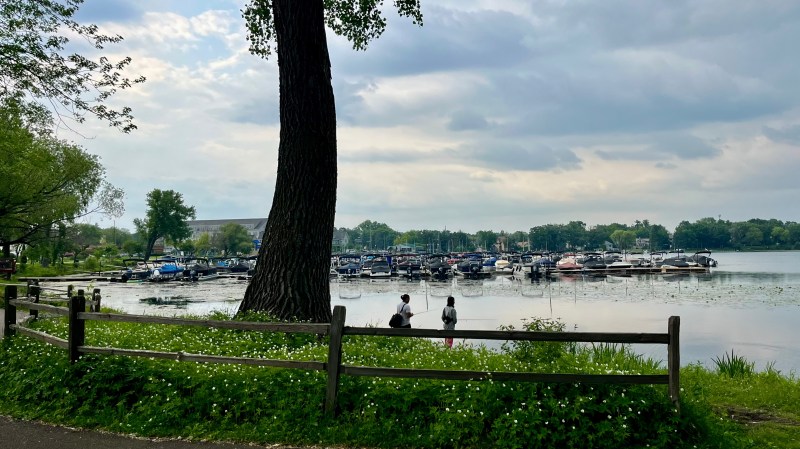
This summer, the Minnesota Department of Natural Resources has reported new infestations of aquatic invasive species – zebra mussels and starry stonewort – at a dozen lakes across the state. The discoveries underscore the inherent challenge of protecting Minnesota waterways in a state with more than 11,000 lakes, thousands of natural and manmade connections, and countless ways to access the water from public and private lands.

Read More

Living dinosaurs roam the rivers

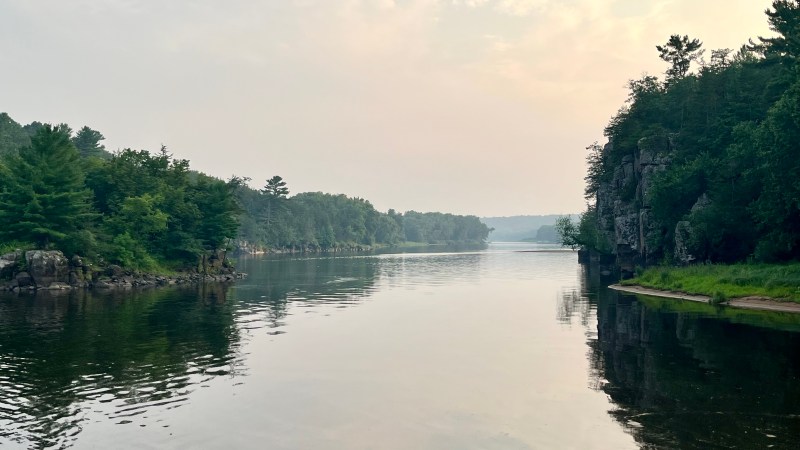
Lake sturgeon were nearly hunted to extinction in the late 1800s and early 1900s but can now be found throughout the St. Croix River, as well as in tributaries including the Namekagon and Kettle Rivers.

Read More

Aug. 21 clinic will offer free nitrate and chloride testing for homes with private wells

During the clinic, volunteers will run a screen test to measure nitrate and chloride (salt) and will also offer one-on-one consultations to discuss wellhead protection and groundwater concerns, including arsenic, bacteria, pesticides, and Perfluorinated Alkylated Substances (PFAS). PFAS testing will NOT be conducted at this clinic.

Read More

Brown’s Creek winds its way toward cleaner water

This summer, the Brown’s Creek Watershed District completes a large-scale stream restoration project, designed to reduce bank erosion, manage floodwaters during large rain events, and improve habitat for fish along a half-mile stretch of Brown’s Creek that flows between McKusick Ave. and the Brown’s Creek State Trail.

Members of the community are invited to view and learn about the Brown’s Creek stream restoration during a tour on Aug. 12 (6:30pm) and a community festival on Sept. 20 (10am-1pm).

Read More

One fish, two fish, plant for more fish?

Seine netting is one technique that the Minnesota Department of Natural Resources (DNR) uses to collect fish when developing an “index of biological integrity” for a lake, known as an IBI score. The number and variety of fish caught helps the DNR to determine whether a lake fully supports aquatic life.

Read More

St. Croix Watershed research highlights growing impact of chloride pollution

Chloride is toxic to freshwater organisms like fish, frogs, and aquatic invertebrates and also alters lakes’ internal chemistry, causing a cascade of unexpected impacts.

Read More

Why is my lake green?

Across the state, numerous beaches have closed unseasonably early due to blue-green algal blooms, which can be toxic to both people and dogs.

How can you tell the difference between blue-green algae and run-of-the-mill pond scum?

Read More

Submit a nomination for 2025 Natural Shoreline Awards

The Natural Shoreline Award Program recognizes beautiful lakeshore, riverfront and streamside properties that incorporate native flowers, shrubs, trees and plants. Award-winning properties can be located in Chisago, Isanti, Ramsey or Washington Counties.

2025 Program Timeline:
– July 1 – August 7: Call for nominations
– August 7 – 31: Program judges will tour and evaluate shorelines
– September 9: Award recipients are announced

Learn more and submit your nominations.

Read More