I pretended to eat a maggot in the name of science. Once you learn why, you’ll you’ll want to do it too.
Read More
Tips and tales about keeping water clean
I pretended to eat a maggot in the name of science. Once you learn why, you’ll you’ll want to do it too.
Read More
Landfall’s pollinator demonstration project features new native plantings on Tanner’s Lake, as well as at the Tot Lot playground, the community center, and a neighborhood cul de sac, and will also create a demonstration bee lawn behind the community center.
Read More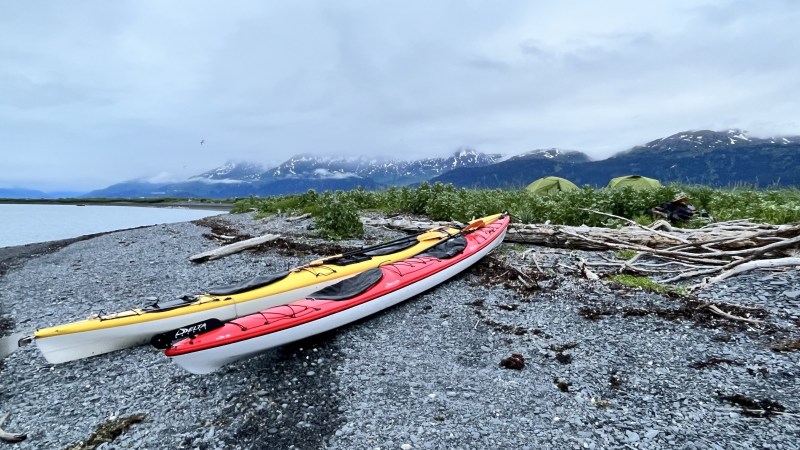
Thirty-five years after the Exxon Valdez oil spill, the estuaries and bays surrounding Valdez are clear and clean again and the area has become a popular destination for fishing excursions, kayak trips, and other outdoor adventures.
Read More
At a church in Woodbury, two bur oak trees have stood tall for more than 250 years. They’ve watched the land transition from prairie to farmland to busy suburbia and play so central a role in the story of the congregation that the people decided to call this place The Grove.
Read More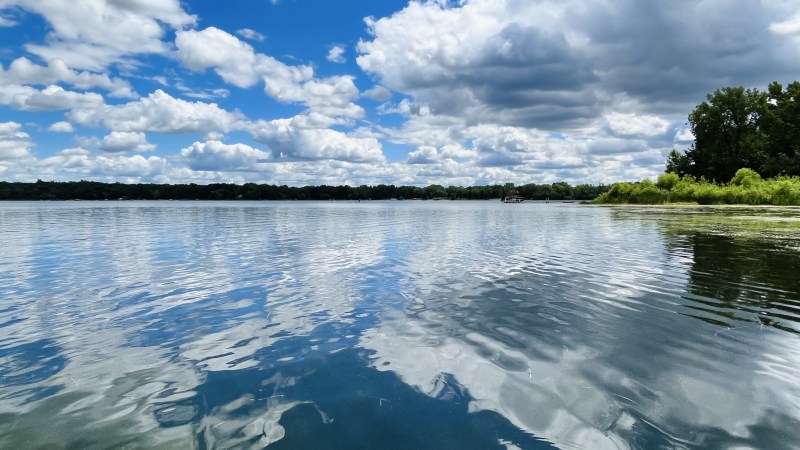
Where are we winning and where do we need to focus more attention?
Read More
When the Ford Assembly Plant closed in 2011, the Capitol Region Watershed District and City of St. Paul seized the opportunity to engage the wider community and transform the site into a thriving residential neighborhood with parks and recreational amenities.
Read More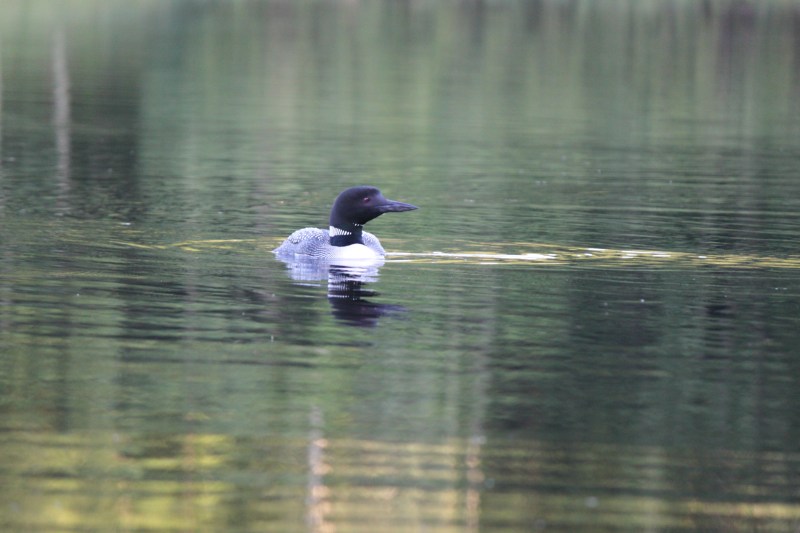
At the Forest Lake Lake Association (FLLA) meeting on Wednesday, May 17, 6:30-8pm, Rob Rabasco, coordinator of Minnesota’s Loon Restoration Project, will talk about efforts underway to protect loon habitat across the state, augment natural loon nesting with artificial nesting platforms in targeted locations, implement loon-friendly lake management plans, and increase survival rates for loon chicks. Robasco is one of three invited speakers for the event.
Read More
Oak savanna is one example of an ecosystem that has co-evolved with humans in several different locations in North America. In this transitional zone between forest and prairie, people used fire to maintain open areas as a way to attract large game animals such as bison and elk.
Read More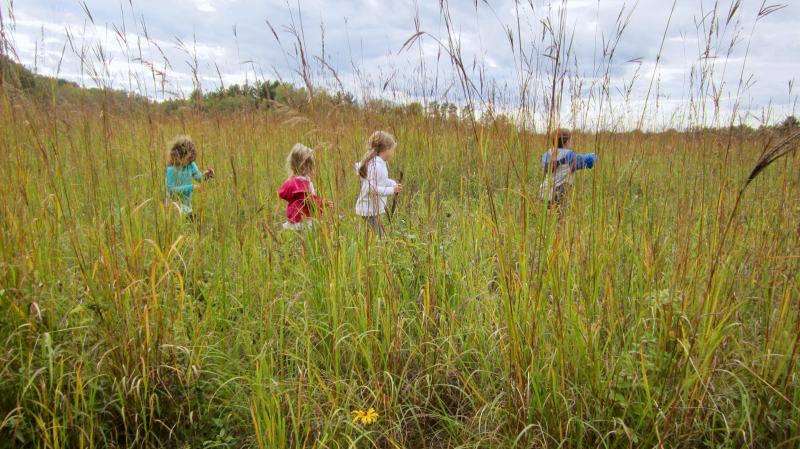
Spending time outdoors promotes creativity and problem solving, improves academic performance, reduces attention deficit disorder (ADD) symptoms, encourages physical activity, reduces stress, and improves social relations and self-discipline.
Read More
On August 1, Brittany Wiitala and Matt Hardy will share their farming stories during a special workshop hosted by the Lower St. Croix Watershed Partnership: You’ve got Land: Exploring farming and land management options for 10-40 acres.
Read More East Metro Water