Could cattails help to solve phosphorus and chloride pollution in some of our lakes and wetlands? A new pilot initiative led by the South Washington Watershed District (SWWD) aims to find out.
Read More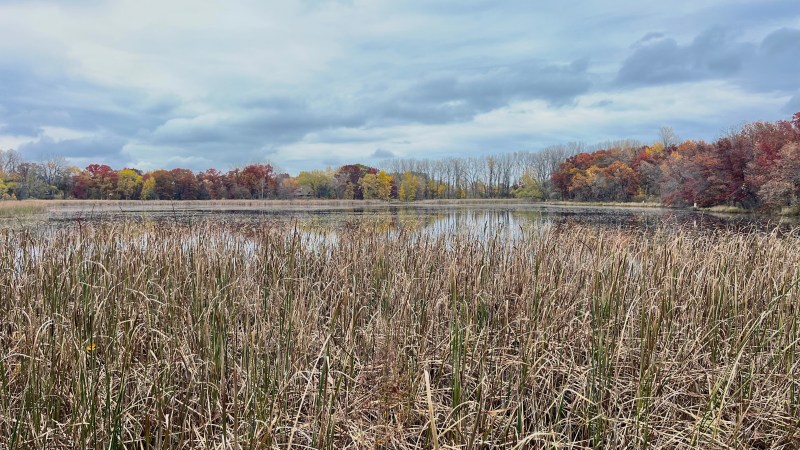
Tips and tales about keeping water clean
Could cattails help to solve phosphorus and chloride pollution in some of our lakes and wetlands? A new pilot initiative led by the South Washington Watershed District (SWWD) aims to find out.
Read More
Square Lake is one of the clearest lakes in the Twin Cities area and ranks in the top 1% for water clarity in the entire North Central Hardwood Forest Ecoregion of Minnesota. New park improvements underway this fall are designed to help keep Square Lake clean for years to come.
Read More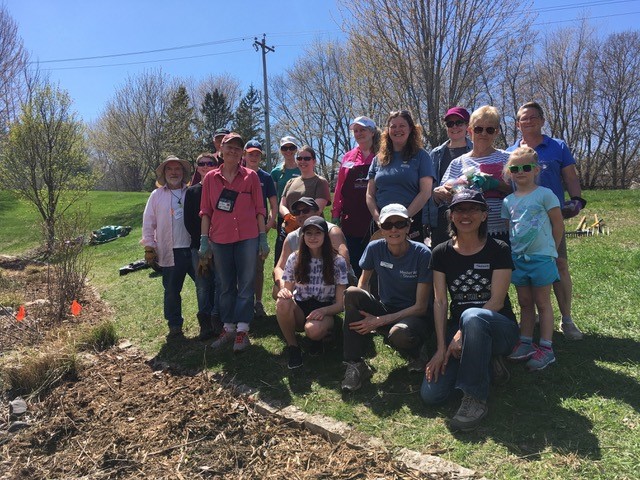
David, Kim, Barb and Mike are part of an elite cadre of volunteers helping to engage communities across Minnesota and western Wisconsin in grass-roots projects to protect and restore lakes, rivers, and streams.
Beginning in 2026, Freshwater is taking the program statewide and removing the enrollment fee so that more people can participate. Locally, the St. Croix Valley Foundation has provided grant funds to Washington Conservation District (WCD), Freshwater, and North Woods and Waters to train-in a new cohort of volunteers, starting in 2026.
Read More
Learn about Indigenous-led organizations, including the Great Lakes Indian Fish & Wildlife Commission (GLIFWC), Waḳaƞ Ṭípi Awanyankapi (formerly known as Lower Phalen Creek Project), Owámniyomni Okhódayapi (formerly known as Friends of the Falls), and Dream of Wild Health.
Read More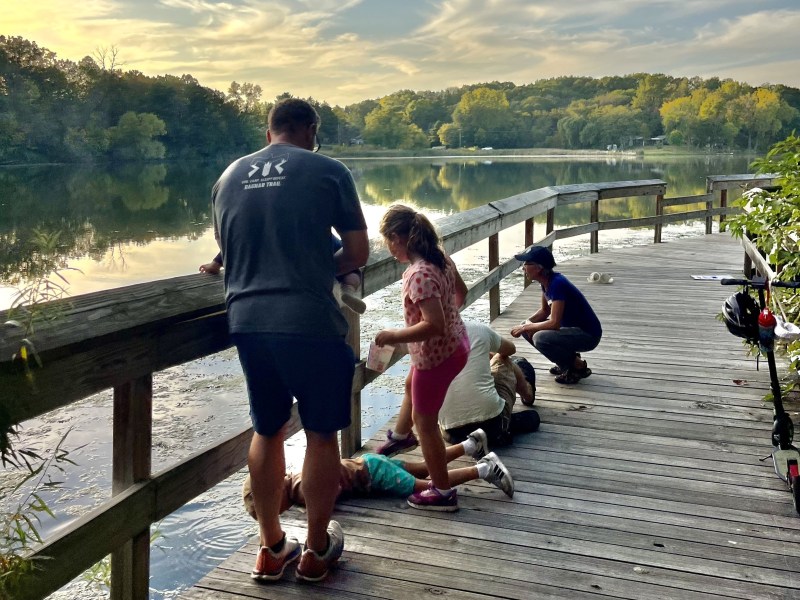
Bluegreen algae blooms have become more prevalent in urban lakes, as well as in pristine northern lakes including Lake Itasca, the Boundary Waters, and Quetico Wilderness Area.
Read More
In the coming weeks, there are several steps you can take to prep your yard and gardens for winter and continue to support pollinators, birds and other wildlife. But, you might be surprised to learn that fall is also a really great time to plant a native garden!
Read More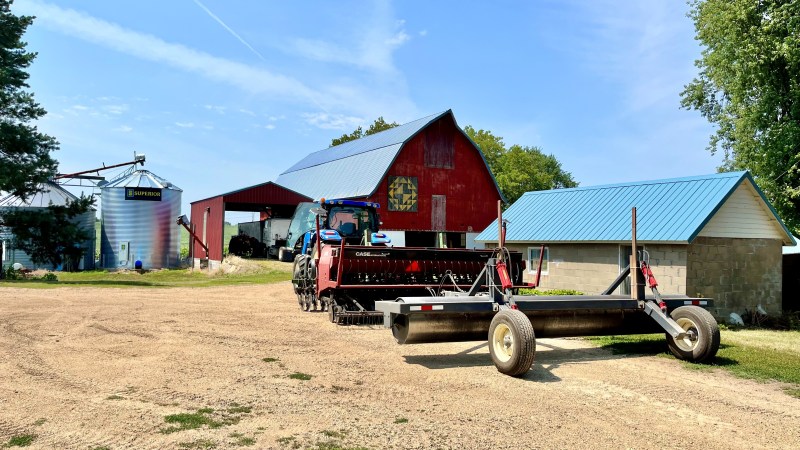
This fall, conservation districts across the state are providing new funds to farmers to implement soil health practices including no-till, cover crops, and prescribed grazing. Funds can also be used for pollinator plantings, as well as pasture and hay plantings. The program is part of an initiative by Minnesota Board of Water and Soil Resources to build better, more resilient soils in order to ensure long-term food security and protect lakes, rivers, and streams from water pollution.
Read More
At Chain Lake Pastures, Rick utilizes a holistic approach to farming known as regenerative agriculture, which aims to restore and improve the health of the land, water, and ecosystems. His conservation ethic also led Rick to become a board supervisor for the Chisago SWCD in 2023.
This fall, the Chisago SWCD celebrates its 75th anniversary and Rick Cedergren is happy to carry on a family tradition – growing healthy food and healthy soil in northern Chisago County.
Read More
We are excited to announce the winners of our inaugural Natural Shoreline Awards, sponsored by the East Metro Water Resource Education Program and Lower St. Croix Watershed Partnership. These awards recognize Minnesotans who are protecting lake, stream, and wetland habitat in Chisago, Isanti, Ramsey and Washington Counties.
Read More
Minnesota’s average annual rainfall has increased 3.4 inches since 1891 and “mega rainstorms” are becoming more common. Learn what local watershed districts are doing to help reduce the risk of flooding in east metro communities.
Read More East Metro Water