Minnesotans Call for New Legislation to Promote Smart Salting

Written in partnership with Watershed Partners: http://www.cleanwatermn.org More than ten years ago, the Minnesota Pollution Control Agency (MPCA) came to a frightening realization. After testing lakes and streams in the Twin Cities metro area, they discovered that chloride levels in many were climbing, and that some were already too salty to support fish. Further testing…

Read More
Hardy Minnesotans Not Going to Let Water Pollution Win

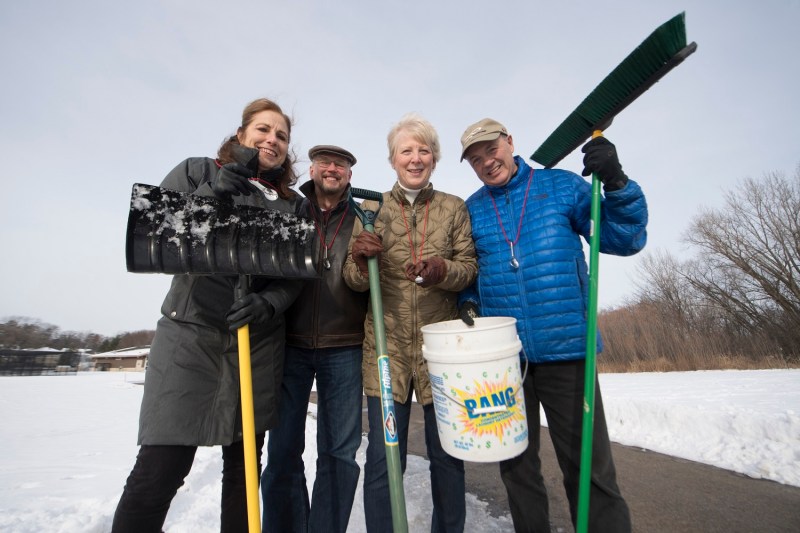
The state has 11,842 lakes and 69,000 miles of rivers and streams, and Minnesotans intend to hunt, fish, boat and swim every one of those water bodies.

Read More

DiaSorin Saves Money and Cuts Water Waste With Help From MnTAP

Stillwater, Minnesota business DiaSorin has cut water loss by 3.7 million gallons per year and will save $27,400 per year as a result.

Read More

Bringing Nature Home

The Rambosek’s bought their home in 1980 when most of Woodbury was still corn fields and open space. Today, their prairie is an oasis of color and life.

Read More

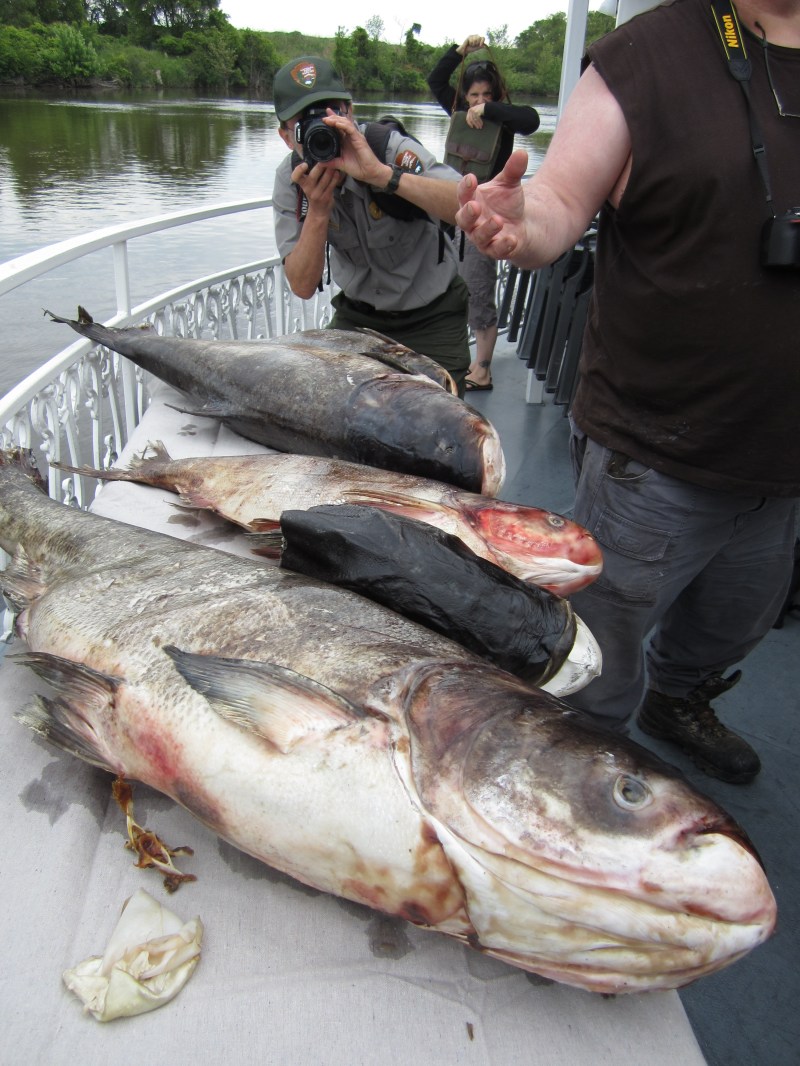
Aquatic Invasives – The Battle Continues

Not so long ago, in a galaxy awfully close to home, the Minnesota legislature allocated $132,169 to Washington County to battle against real life aquatic invasive species (AIS) that creep steadily further into our beloved lakes and rivers each year.

Read More

Elected Board at Washington Conservation District Provides Leadership Behind the Scenes

Though board supervisors rarely end up in the spotlight, their leadership helps to guide land and water protection efforts across Washington County.

Read More

Water Quality Certification Program Helps to Nudge Minnesota Farmers in a New Direction

Today, Arnold is somewhat of a trendsetter herself. She farms just over 40-acres of land along the St. Croix River in Scandia and has become an advocate for the river and other environmental concerns.

Read More

Caring for Local Wetlands and What Not to Do With Your Leaves

As wetlands become over-saturated with nutrients, they lose their ability to filter water and sometimes even become a source of pollution for downstream lakes and rivers.

Read More

The Rise of Nature-Based Education

Spending time outdoors in nature supports creativity and problem solving, improves academic performance, reduces attention deficit disorder (ADD) symptoms, increases physical activity, reduces stress, and improves social relations and self-discipline.

Read More