Are you seeing more wildlife in your backyard or neighborhood? Do you have a funny animal story to share? Got a great fish tale? Submit them online at tinyurl.com/wildlifestories to have them included in the WCD’s story map.
Read More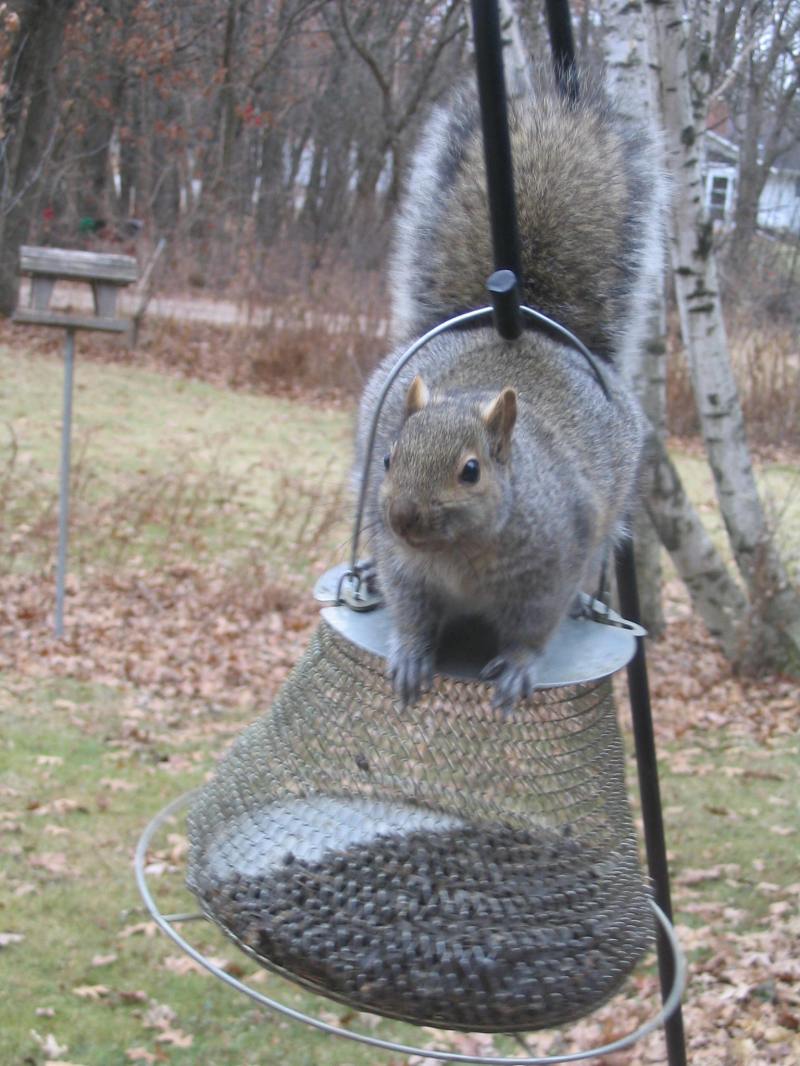
Tips and tales about keeping water clean
Are you seeing more wildlife in your backyard or neighborhood? Do you have a funny animal story to share? Got a great fish tale? Submit them online at tinyurl.com/wildlifestories to have them included in the WCD’s story map.
Read More
Communities across the Twin Cities are currently waging a battle against time, as they work to curb the flow of salt into lakes, rivers, streams and groundwater before it’s too late.
Read More
There are 7,725 HOAs in Minnesota and nearly 27% of the state’s population lives in an HOA. These communities often struggle to budget for and properly maintain stormwater and green infrastructure practices such as ponds, raingardens, conservation easements, and native plantings.
Read More
In the Twin Cities east metro, improving lakes that are set to be “de-listed” include Bone Lake – Scandia (Comfort Lake – Forest Lake Watershed District); White Rock Lake – Scandia, Bald Eagle Lake – White Bear Township, and Golden Lake – Circle Pines (Rice Creek Watershed District); La Lake – Woodbury (South Washington Watershed District); and Kohlman Lake – Maplewood (Ramsey-Washington Metro Watershed District).
Read More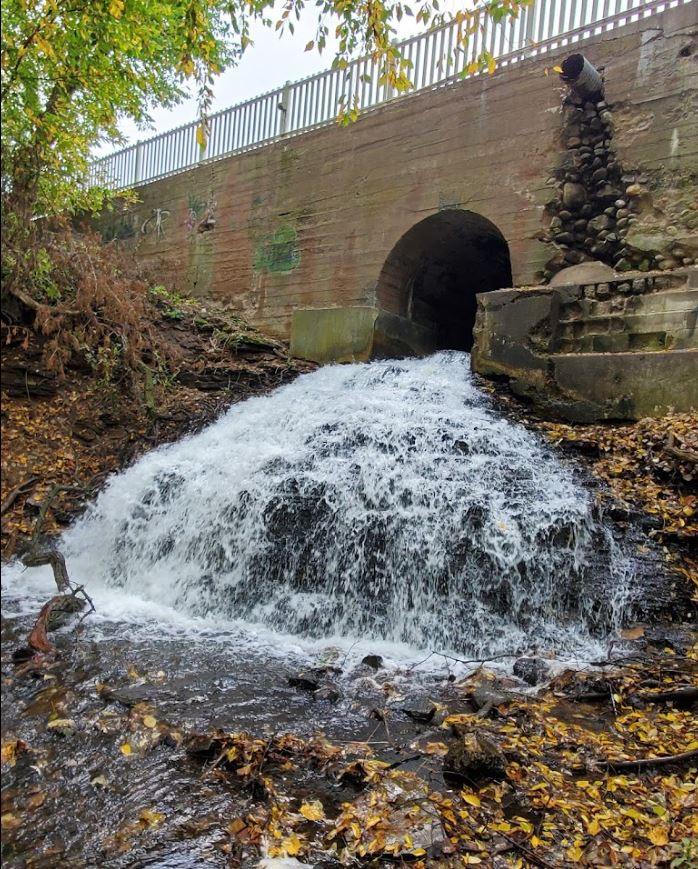
The Mill Stream powered Minnesota’s first commercial saw mill and gave rise to the community of Marine on St. Croix in 1839 –two full decades before Minnesota became a state. Now, nearly 200 years later, the people of Marine are beginning to dream about a new future for this tiny but beloved stream.
Read More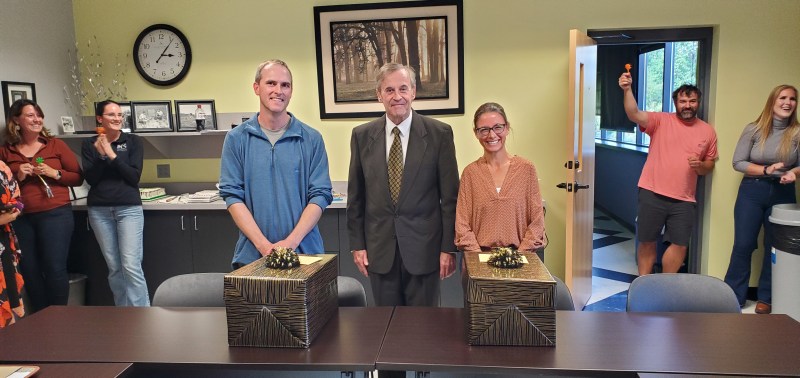
Erik Anderson and Karen Kill have played lead roles in local watershed work during the past twenty years. What excites them most about their jobs and what changes have they seen in the past two decades?
Read More
In addition to reducing downstream flooding, the Comfort Lake – Forest Lake Watershed District project will also keep 89 pounds per year of phosphorus and 51,000 pounds per year of sediment out of the Sunrise River.
Read More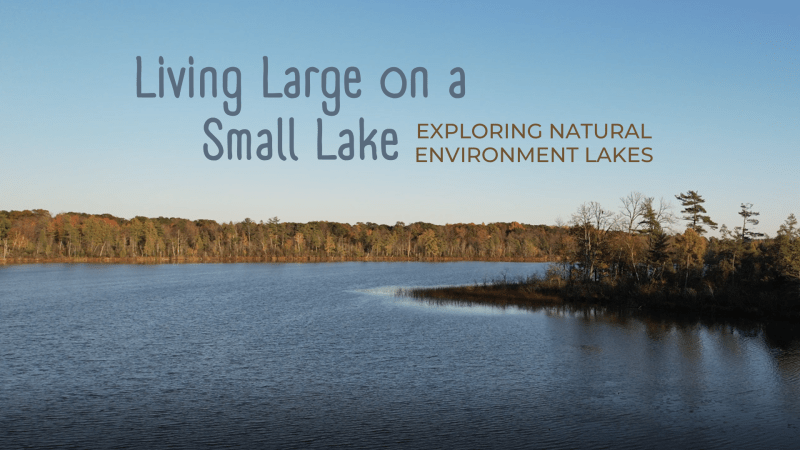
As much as we like to focus on the biggest and the best, however, roughly 70% of Minnesota’s lakes are actually considered natural environment lakes, a shoreland classification that is generally applied to shallow lakes with limited capacity to absorb the impacts of development and recreational use.
Read More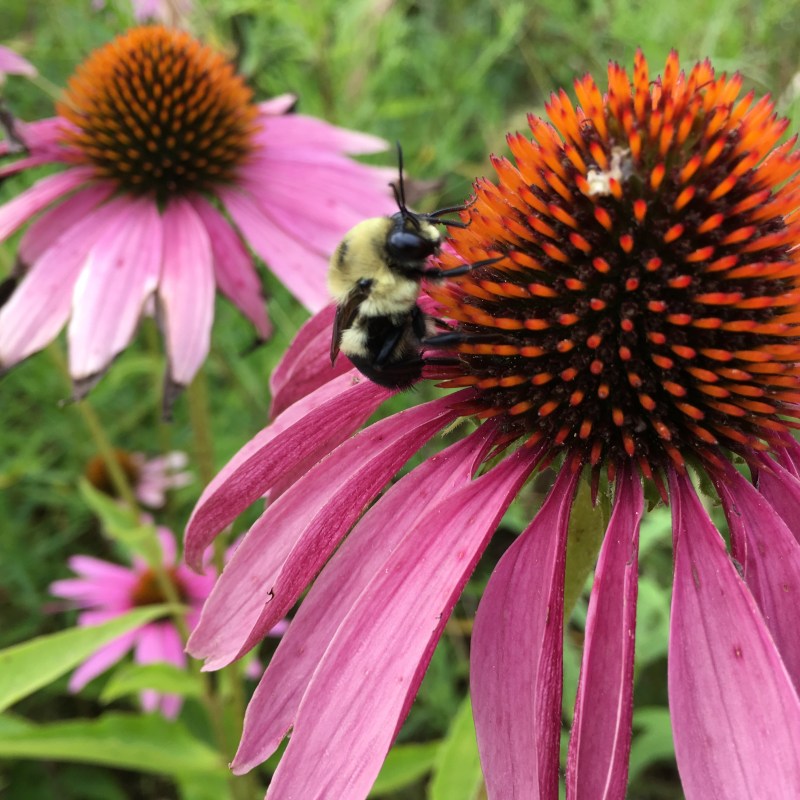
Minnesotans can apply for Lawns to Legumes cost-share funding between now and November 30
at http://www.Bluethumb.org. The grants are up to $400 and can be put toward pollinator planting projects such as pocket gardens, bee lawns, and flowering native trees.

Over the past ten years, Washington County has focused on inter-agency collaboration for regional issues, as well as implementing local programs to reduce the risk of groundwater contamination and promote water efficiency. Now, they’re looking ahead toward future challenges.
Read More East Metro Water