Minnesota water – some getting better, some getting worse

In the Twin Cities east metro, improving lakes that are set to be “de-listed” include Bone Lake – Scandia (Comfort Lake – Forest Lake Watershed District); White Rock Lake – Scandia, Bald Eagle Lake – White Bear Township, and Golden Lake – Circle Pines (Rice Creek Watershed District); La Lake – Woodbury (South Washington Watershed District); and Kohlman Lake – Maplewood (Ramsey-Washington Metro Watershed District).

Read More
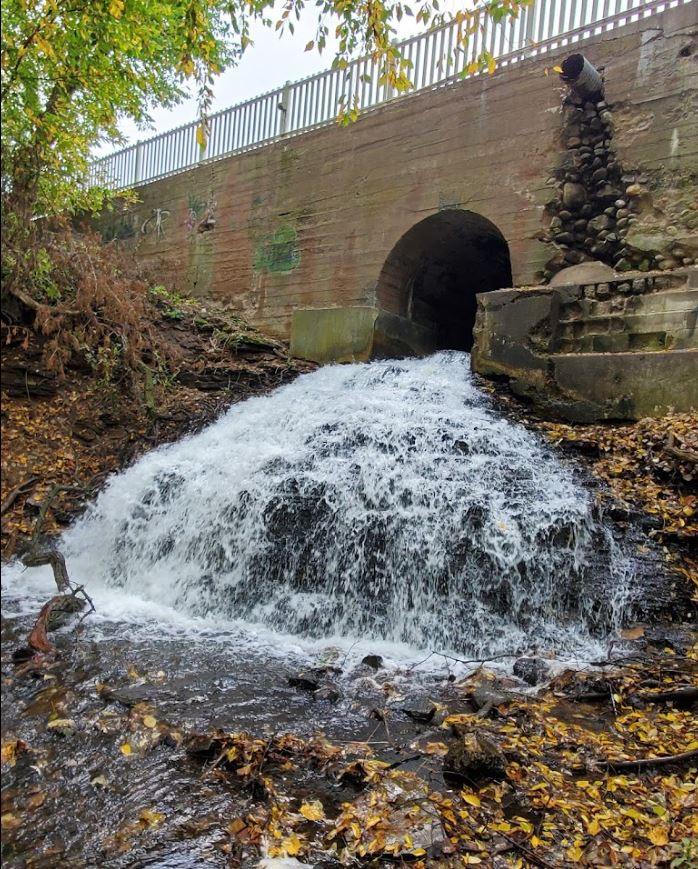
A new future for an old stream?

The Mill Stream powered Minnesota’s first commercial saw mill and gave rise to the community of Marine on St. Croix in 1839 –two full decades before Minnesota became a state. Now, nearly 200 years later, the people of Marine are beginning to dream about a new future for this tiny but beloved stream.

Read More

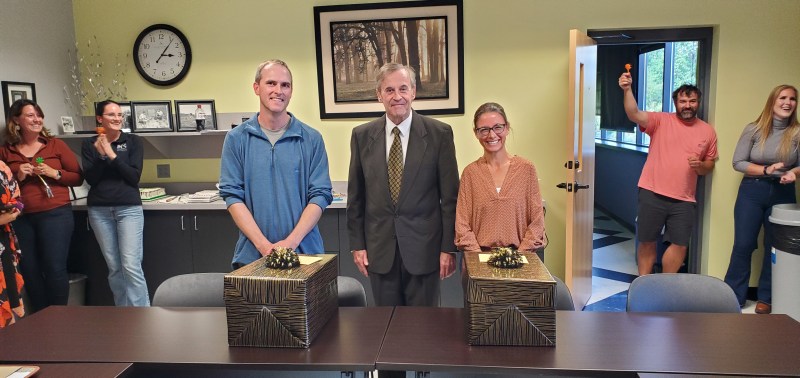
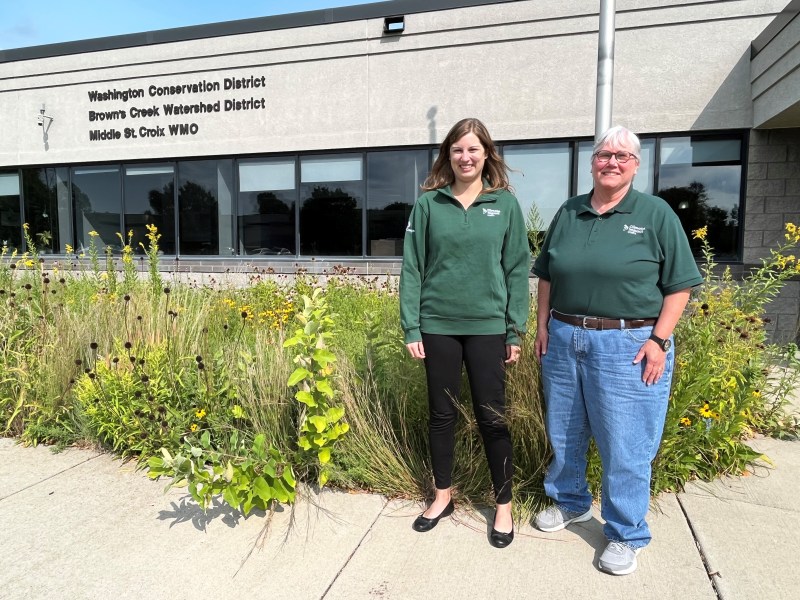
Two WCD staff members celebrate 20 years of watershed work in Washington County

Erik Anderson and Karen Kill have played lead roles in local watershed work during the past twenty years. What excites them most about their jobs and what changes have they seen in the past two decades?

Read More

Sunrise River wetland enhancement promises cleaner water downstream

In addition to reducing downstream flooding, the Comfort Lake – Forest Lake Watershed District project will also keep 89 pounds per year of phosphorus and 51,000 pounds per year of sediment out of the Sunrise River.

Read More

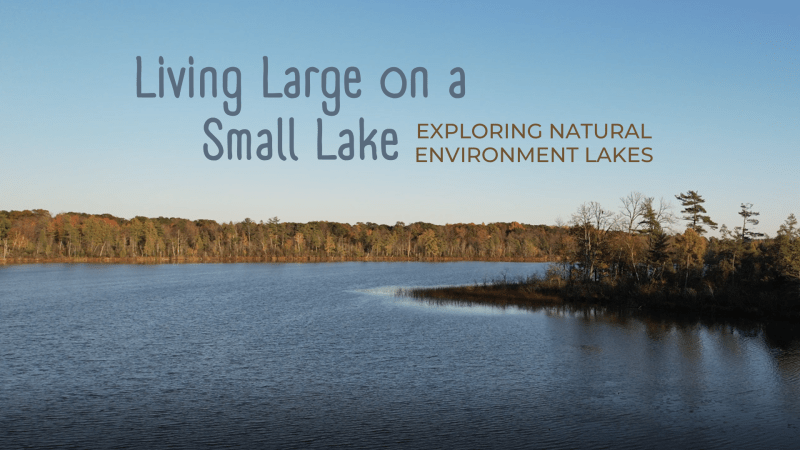
Living Large on a Small Lake – Exploring Natural Environment Lakes

As much as we like to focus on the biggest and the best, however, roughly 70% of Minnesota’s lakes are actually considered natural environment lakes, a shoreland classification that is generally applied to shallow lakes with limited capacity to absorb the impacts of development and recreational use.

Read More

A final push for pollinators before the snow begins to fall

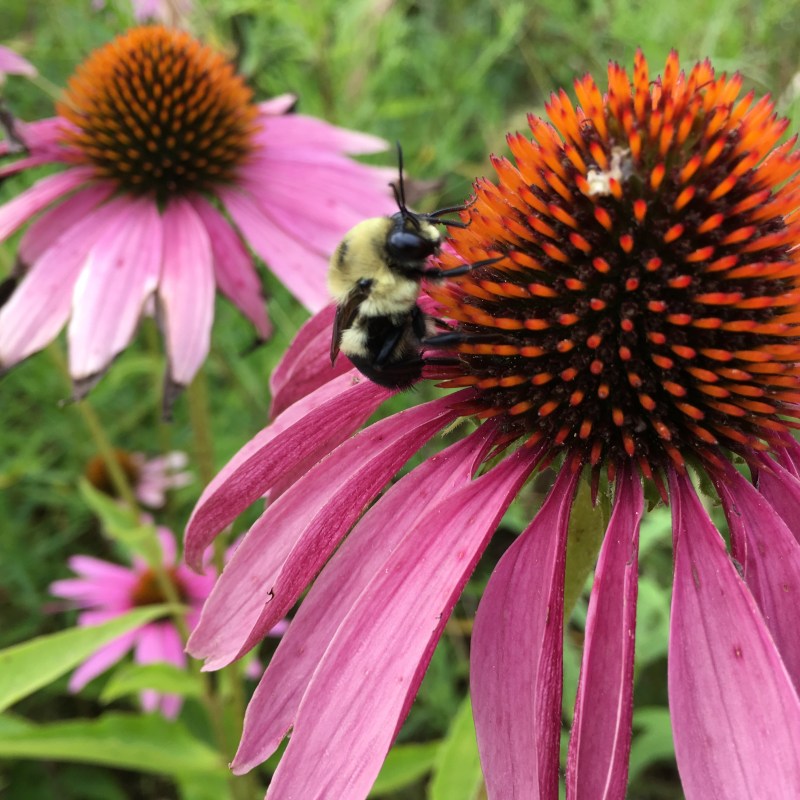
Minnesotans can apply for Lawns to Legumes cost-share funding between now and November 30
at http://www.Bluethumb.org. The grants are up to $400 and can be put toward pollinator planting projects such as pocket gardens, bee lawns, and flowering native trees.

Read More

Addressing the groundwater challenges of today and tomorrow

Over the past ten years, Washington County has focused on inter-agency collaboration for regional issues, as well as implementing local programs to reduce the risk of groundwater contamination and promote water efficiency. Now, they’re looking ahead toward future challenges.

Read More

A tiny town gets a big dose of flower power

Landfall’s pollinator demonstration project features new native plantings on Tanner’s Lake, as well as at the Tot Lot playground, the community center, and a neighborhood cul de sac, and will also create a demonstration bee lawn behind the community center.

Read More

Building resiliency, one garden at a time

As community stewardship facilitators, Peterson and Maxfield will be working with homeowners’ associations, community groups, and local schools in Washington County.

Read More

Searching for treasure and coming up nettle

In Chisago and Washington Counties, 100% of the water we drink comes from groundwater. This beautifully designed natural system provides us with a steady supply of pure, clean drinking water that is filtered by layers of gravel, sand and soil. Unfortunately, however, we’re beginning to see elevated levels of nitrate from fertilizer and chloride from road salt and water softener salt in the groundwater that people are drinking.

Read More