2026 = Lead out, natural shorelines in!
Learn about Minnesota’s strange but beloved loon.
Read MoreTips and tales about keeping water clean

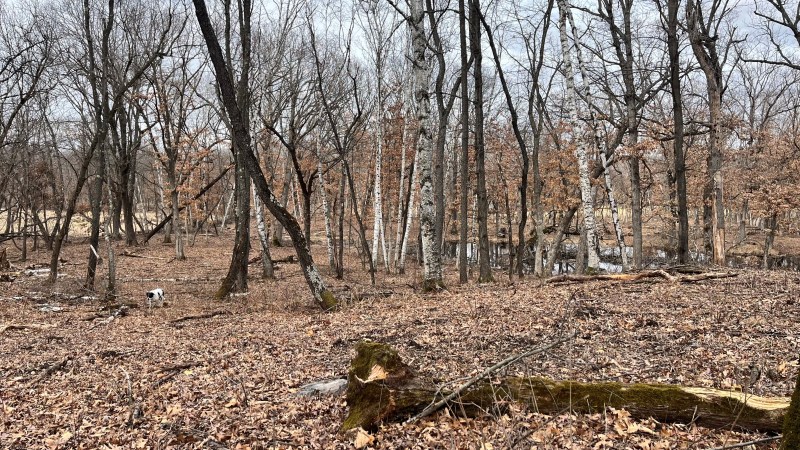
The Legacy Amendment has catalyzed significant improvements in Minnesota’s natural environment, including 184 lakes and streams delisted and more than 1 million acres of wildlife habitat protected or restored.
Read More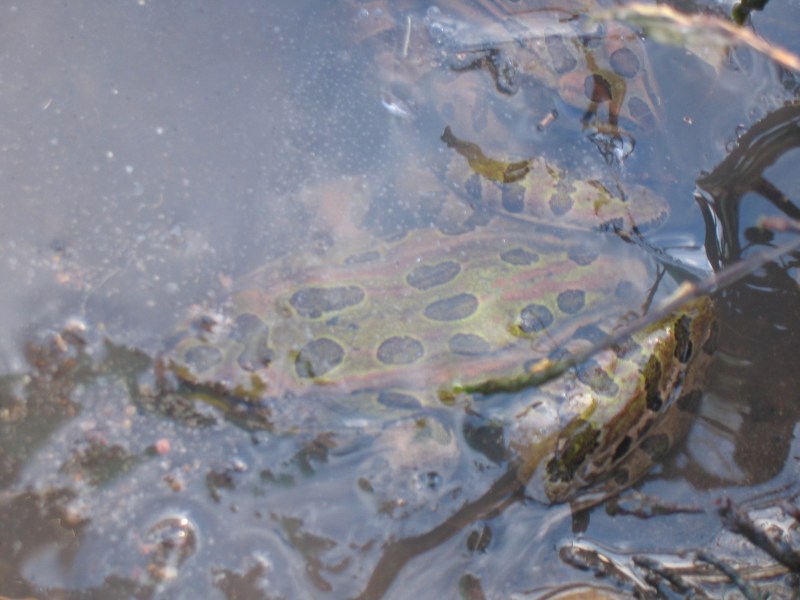
When the snow falls and lakes freeze over, Minnesota’s wildlife employ a variety of adaptations to stay alive.
Read More
Last winter, Andy Riesgraf and Emily Fairfax teamed up to establish Beaver Innovations LLC, a UMN start-up company that is focused on finding ways to help beavers and people coexist in harmony.
The duo’s first three beaver co-existence projects are located in Washington County at the Big Marine Park Reserve expansion site and Cottage Grove Ravine Regional Park, made possible by funding from Pollinator Friendly Alliance’s biodiversity project.
Read More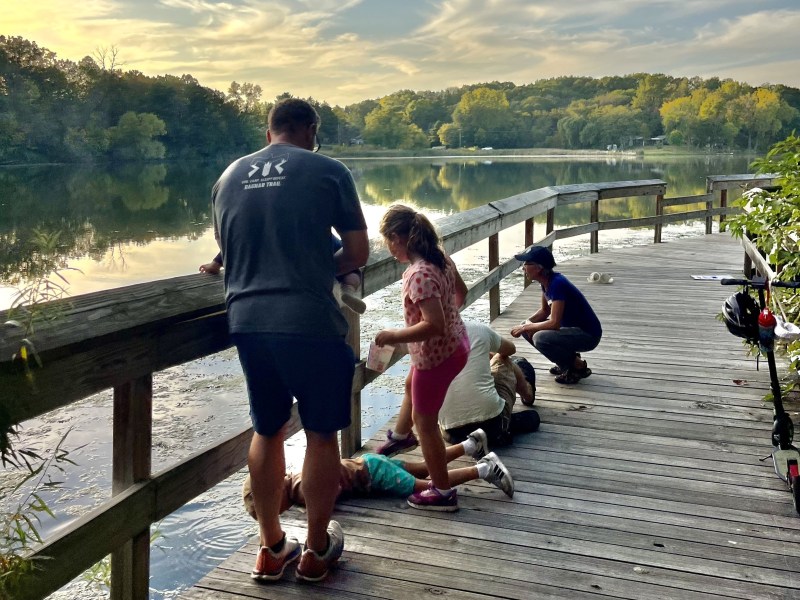
Bluegreen algae blooms have become more prevalent in urban lakes, as well as in pristine northern lakes including Lake Itasca, the Boundary Waters, and Quetico Wilderness Area.
Read More
Seine netting is one technique that the Minnesota Department of Natural Resources (DNR) uses to collect fish when developing an “index of biological integrity” for a lake, known as an IBI score. The number and variety of fish caught helps the DNR to determine whether a lake fully supports aquatic life.
Read More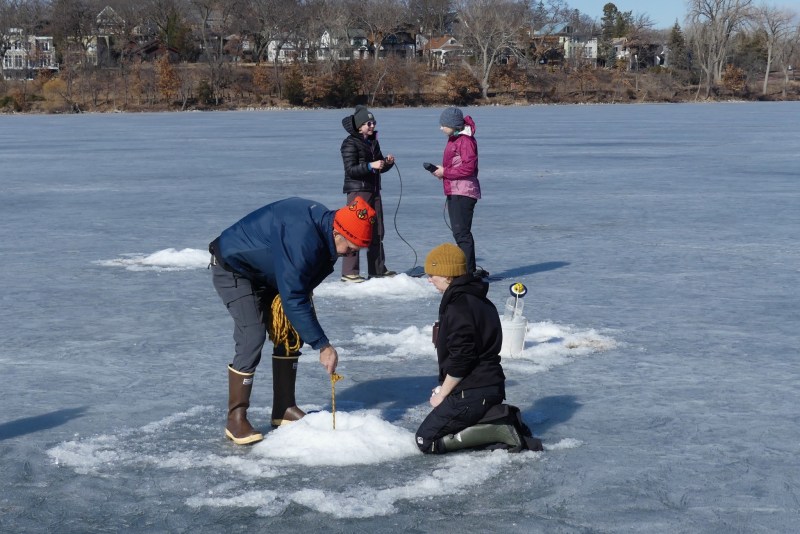
Chloride is toxic to freshwater organisms like fish, frogs, and aquatic invertebrates and also alters lakes’ internal chemistry, causing a cascade of unexpected impacts.
Read More
Across the state, numerous beaches have closed unseasonably early due to blue-green algal blooms, which can be toxic to both people and dogs.
How can you tell the difference between blue-green algae and run-of-the-mill pond scum?
Read More
The Natural Shoreline Award Program recognizes beautiful lakeshore, riverfront and streamside properties that incorporate native flowers, shrubs, trees and plants. Award-winning properties can be located in Chisago, Isanti, Ramsey or Washington Counties.
2025 Program Timeline:
– July 1 – August 7: Call for nominations
– August 7 – 31: Program judges will tour and evaluate shorelines
– September 9: Award recipients are announced
Learn more and submit your nominations.
Read More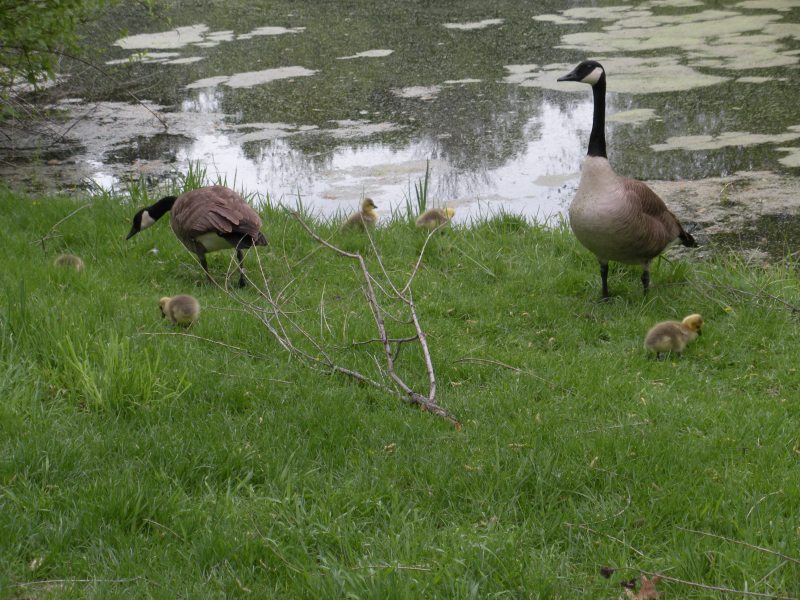
Given their current abundance, you might be surprised to learn that Canada geese were a rare novelty in the 1920s. In fact, state and federal agencies actually worked together to breed and re-introduce them to the wild during the 1950s.
Read More East Metro Water