Maintaining and restoring lakeshore habitat isn’t just good for wildlife, it also helps to protect valuable real estate from literally washing away.
Read More
Tips and tales about keeping water clean
Maintaining and restoring lakeshore habitat isn’t just good for wildlife, it also helps to protect valuable real estate from literally washing away.
Read More
Minnesota is home to 200 Mud Lakes, 150 Long lakes, and 120 Rice lakes.
In addition to their actual names, the Minnesota DNR also assigns lakes a shoreland classification – natural environment, recreational development, or general development – that is used to guide lot size, setbacks, and land uses on surrounding properties.
Read More
Owning a lake home is the quintessential Minnesota dream, but it also comes with a lot of responsibility. Two of the most common “problem scenarios” for lakeshore owners include creating beaches and installing rock riprap. Learn more about the rules.
Read More
This year’s workshop focused specifically on St. Croix Riverway Rules, strategies for dealing with sticky issues and variance requests, and better site design for development and redevelopment projects.
Read More
Currently, only 8% of the lakes in Minnesota have invasive species present and we need everyone’s help to keep it that way.
If you use waders or hip boots when fishing, be sure to clean off any visible aquatic plants, animals, and mud when you’re done and use a stiff brush to scrub the bottom of your boots where mud gets stuck in the treads. Using non-felt soled boots will further reduce the risk of spreading AIS.
It is also important to dispose of unwanted bait, worms, and fish parts in the trash instead of throwing them in the water or on the shore.
Read More
“Unfortunately, we’re seeing more and more people removing the vegetation along their shorelines and it’s causing a chain reaction in the aquatic food web that’s affecting fish, as well as insects and other wildlife.”
Read More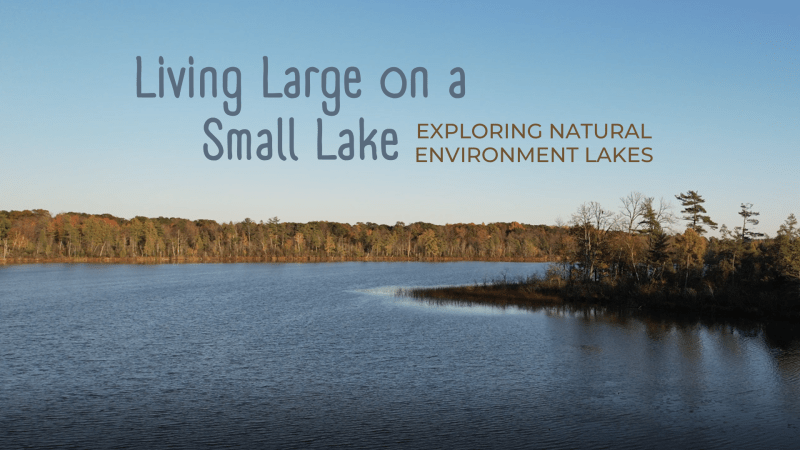
As much as we like to focus on the biggest and the best, however, roughly 70% of Minnesota’s lakes are actually considered natural environment lakes, a shoreland classification that is generally applied to shallow lakes with limited capacity to absorb the impacts of development and recreational use.
Read More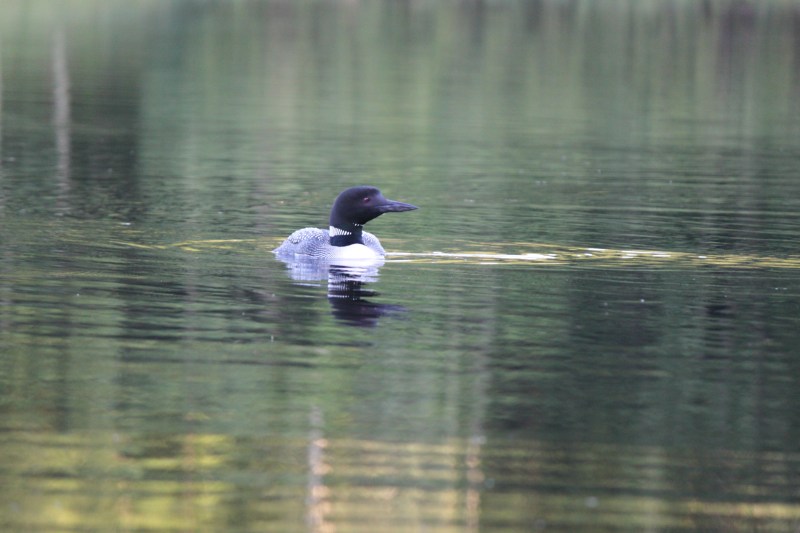
At the Forest Lake Lake Association (FLLA) meeting on Wednesday, May 17, 6:30-8pm, Rob Rabasco, coordinator of Minnesota’s Loon Restoration Project, will talk about efforts underway to protect loon habitat across the state, augment natural loon nesting with artificial nesting platforms in targeted locations, implement loon-friendly lake management plans, and increase survival rates for loon chicks. Robasco is one of three invited speakers for the event.
Read More
Currently, only 8% of the lakes in Minnesota have invasive species present and we need everyone’s help to keep it that way.
If you use waders or hip boots when fishing, be sure to clean off any visible aquatic plants, animals, and mud when you’re done and use a stiff brush to scrub the bottom of your boots where mud gets stuck in the treads. Using non-felt soled boots will further reduce the risk of spreading AIS.
It is also important to dispose of unwanted bait, worms, and fish parts in the trash instead of throwing them in the water or on the shore.
Read More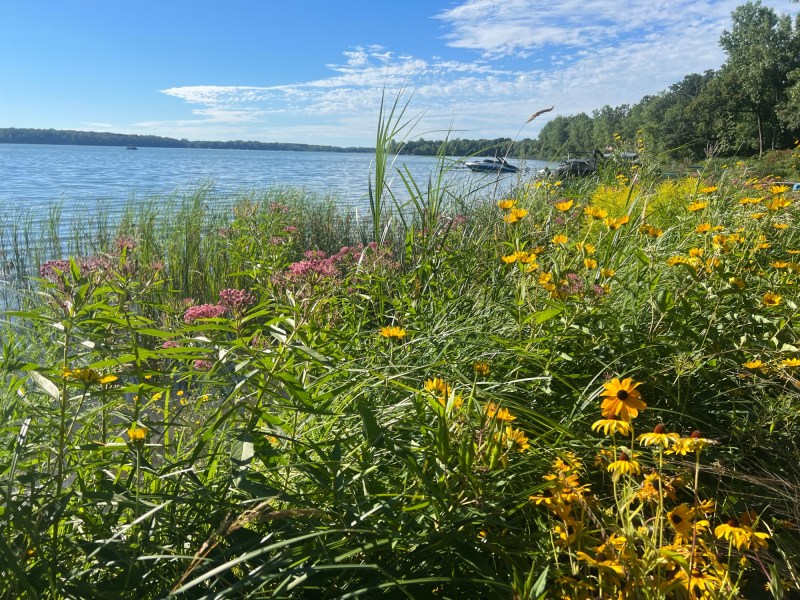
Shoreline landscaping workshops: April 18 and May 8
In the Land of 10,000 lakes, more and more lakeshore landowners are turning toward natural solutions that combine bio-engineering with deep-rooted, native plants to stabilize the land along the water’s edge while also maintaining connected corridors of habitat for beneficial insects, fish, birds, frogs, turtles, and other kinds of wildlife
Read More East Metro Water