Way down south along the Mississippi River, great blue herons are on the move. This week they crossed the border into Missouri. By the end of the month, we’ll welcome them back to Minnesota.
Read More
Tips and tales about keeping water clean
Way down south along the Mississippi River, great blue herons are on the move. This week they crossed the border into Missouri. By the end of the month, we’ll welcome them back to Minnesota.
Read More
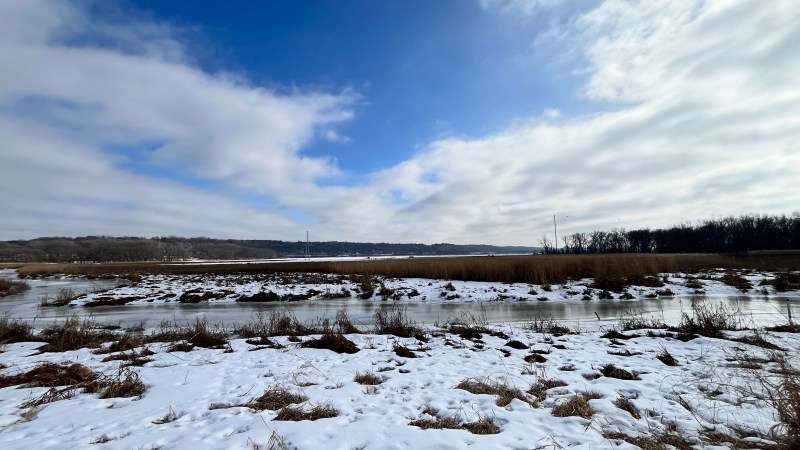
Once, it was C̣hokáŋ Taŋka, the Dakota village of Kaposia, and a bountiful mecca for fishing, hunting, and gathering. Later, it was a highway of pollution, filled with human sewage, garbage, and carcasses from the local slaughterhouses. Today, it includes a regional park and DNR Scientific and Natural Area, surrounded by rail yards and heavy industry.
Read More
Road maintenance in rural communities like Grant and Stillwater Township is significantly different than in larger cities like Oakdale and Woodbury. A new rural roads training module aims to help small communities stretch their limited public works budgets while also protecting local lakes and streams from salt and sediment pollution.
Read More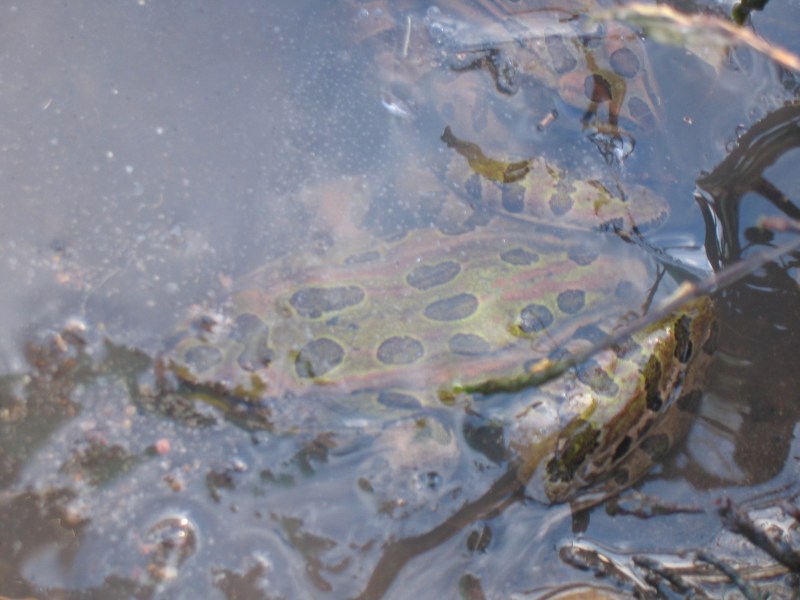
When the snow falls and lakes freeze over, Minnesota’s wildlife employ a variety of adaptations to stay alive.
Read More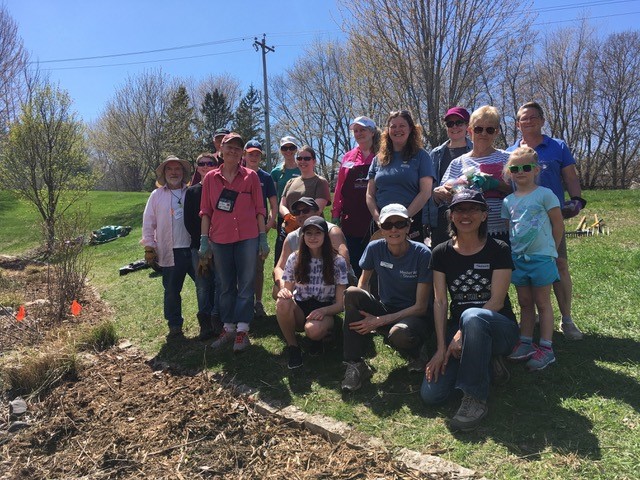
David, Kim, Barb and Mike are part of an elite cadre of volunteers helping to engage communities across Minnesota and western Wisconsin in grass-roots projects to protect and restore lakes, rivers, and streams.
Beginning in 2026, Freshwater is taking the program statewide and removing the enrollment fee so that more people can participate. Locally, the St. Croix Valley Foundation has provided grant funds to Washington Conservation District (WCD), Freshwater, and North Woods and Waters to train-in a new cohort of volunteers, starting in 2026.
Read More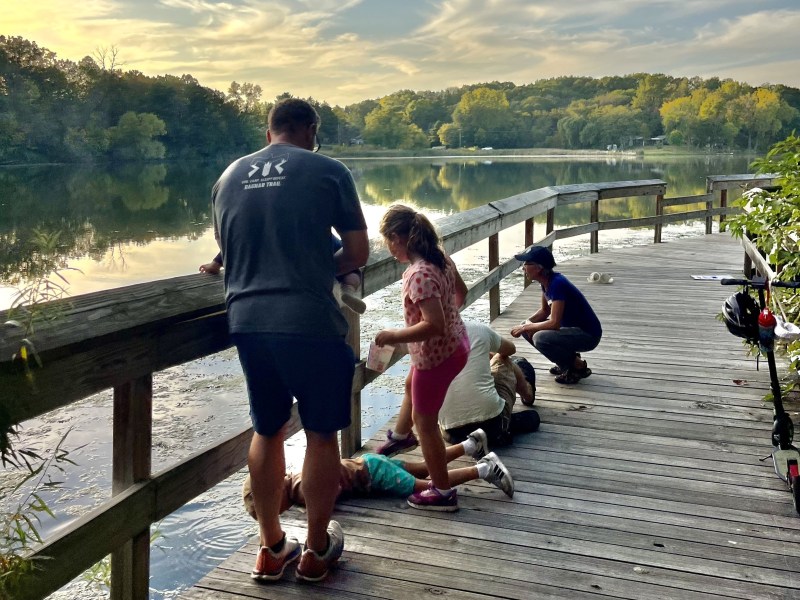
Bluegreen algae blooms have become more prevalent in urban lakes, as well as in pristine northern lakes including Lake Itasca, the Boundary Waters, and Quetico Wilderness Area.
Read More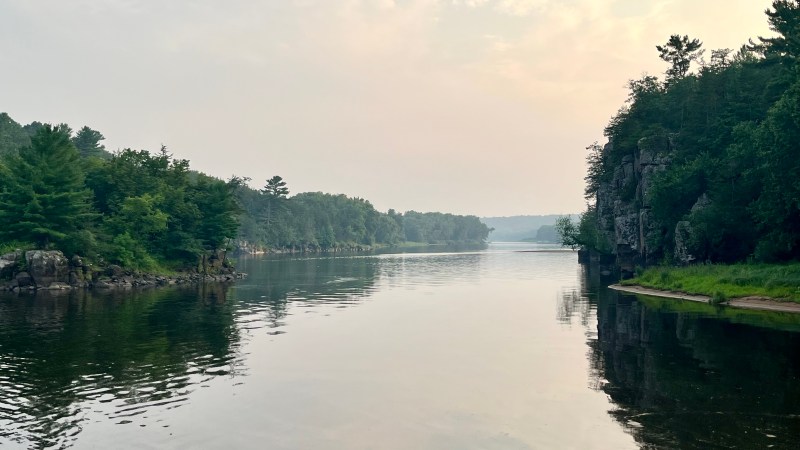
How do you tell the story of a place?
Read More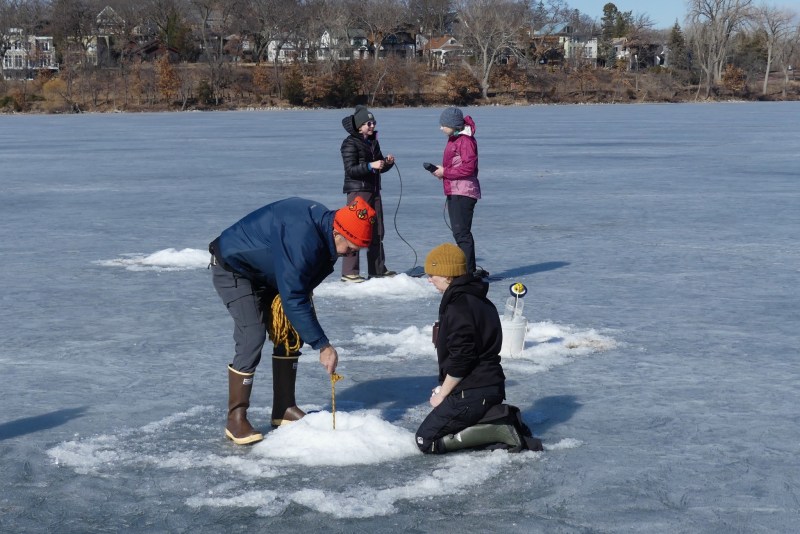
Chloride is toxic to freshwater organisms like fish, frogs, and aquatic invertebrates and also alters lakes’ internal chemistry, causing a cascade of unexpected impacts.
Read More
Across the state, numerous beaches have closed unseasonably early due to blue-green algal blooms, which can be toxic to both people and dogs.
How can you tell the difference between blue-green algae and run-of-the-mill pond scum?
Read More East Metro Water