Winter is a great time for star gazing, full moon hikes, skiing and snowshoeing, and winter festivals.
Read More
Tips and tales about keeping water clean
Winter is a great time for star gazing, full moon hikes, skiing and snowshoeing, and winter festivals.
Read More
Oak savanna is one example of an ecosystem that has co-evolved with humans in several different locations in North America. In this transitional zone between forest and prairie, people used fire to maintain open areas as a way to attract large game animals such as bison and elk.
Read More
Deer and turkeys are two of the most common charismatic megafauna that we see in the east metro and lower St. Croix Valley, but that wasn’t always the case.
Read More
Groundwater provides 100 percent of the drinking water for people in Washington County and 70 percent of the drinking water in Minnesota.
Read More
We started our trip at the County Rd K landing (Namekagon River), near Trego, Wisconsin, and ended four days later at the Lower Tamarack landing (St. Croix River), 47-miles downriver. To avoid using a shuttle or bringing two cars, I brought my mountain bike along and rode back to our put-in at the end of each day to bring our truck and camping gear down to the next location.
Read More
The Mississippi is like a woman with a basket on her back that grows heavier by the hour. Sometimes I think she gathers our tears as well, as she sweeps through burning cities and past people crying out for justice.
Read More
These records are computerized for easy use, unlike the handwritten notes from Minnesota’s first land surveys, which are stored on yellowed paper at the Historical Society.
Read More
The state has 11,842 lakes and 69,000 miles of rivers and streams, and Minnesotans intend to hunt, fish, boat and swim every one of those water bodies.
Read More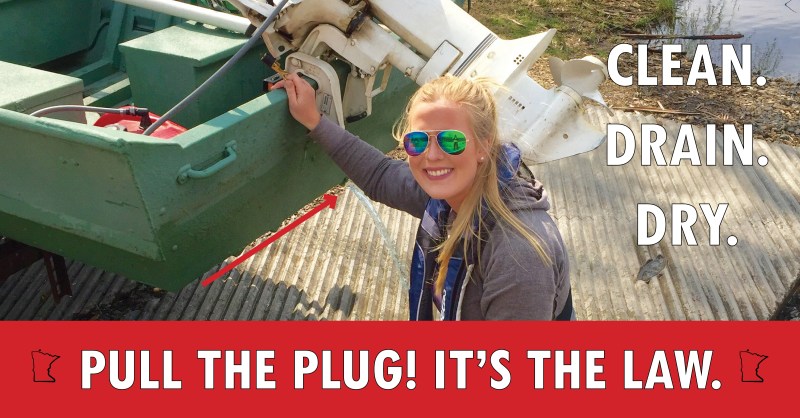
As of August 2016, the Minnesota DNR has identified 121 lakes, rivers and wetlands infested with zebra mussels, including Forest Lake, White Bear Lake, and the St. Croix River south of Stillwater.
Read MoreThese programs connect people directly with the farmers growing their food. Members sign up during the spring and pay all or a portion of their payment in advance. Then, during the growing season, they receive a box of food every week – usually vegetables, but sometimes also fruit, eggs, meat or honey.
Read More
