“Unfortunately, we’re seeing more and more people removing the vegetation along their shorelines and it’s causing a chain reaction in the aquatic food web that’s affecting fish, as well as insects and other wildlife.”
Read More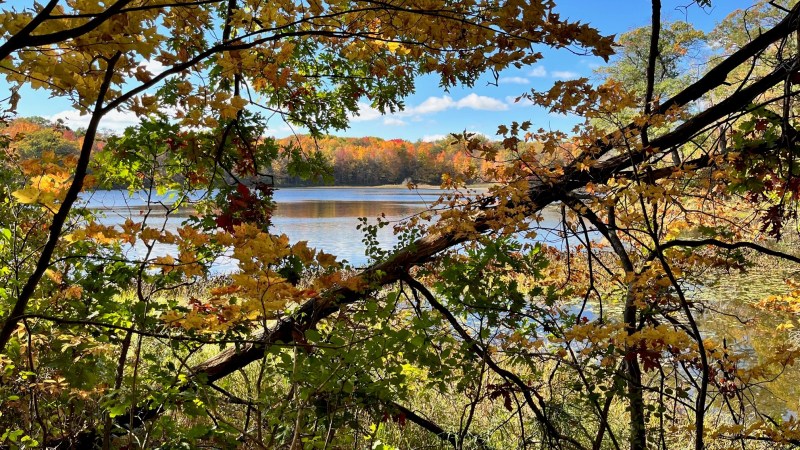
Tips and tales about keeping water clean
“Unfortunately, we’re seeing more and more people removing the vegetation along their shorelines and it’s causing a chain reaction in the aquatic food web that’s affecting fish, as well as insects and other wildlife.”
Read More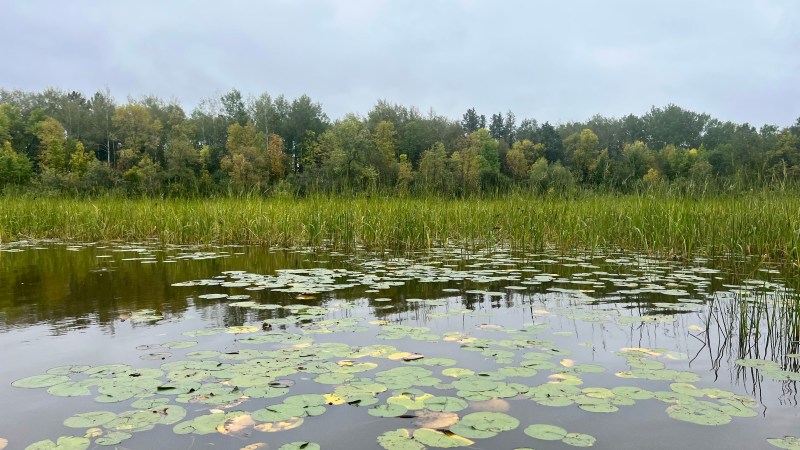
Minnesota gained roughly 43,000 acres of wetlands statewide between 2006 and 2020. Wetland health varies greatly across the state, however, and some types of wetlands are more at risk.
Read More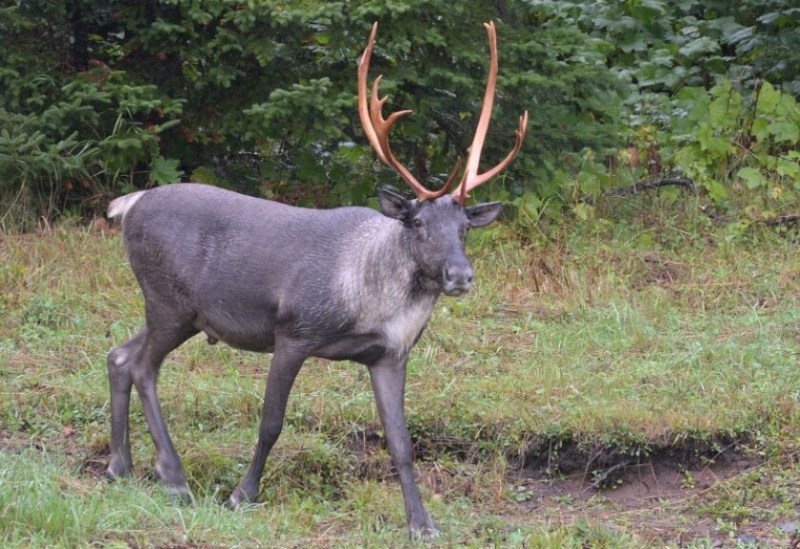
In the early 1800s, caribou were the most widespread species of the deer family in the northern forests of what is now Minnesota, Wisconsin, Michigan, and Canada. Since then, wildlife species in Minnesota have changes dramatically as a result of logging, loss of prairie and wetlands, invasive species, and climate changes.
Read More
Communities across the Twin Cities are currently waging a battle against time, as they work to curb the flow of salt into lakes, rivers, streams and groundwater before it’s too late.
Read More
There are 7,725 HOAs in Minnesota and nearly 27% of the state’s population lives in an HOA. These communities often struggle to budget for and properly maintain stormwater and green infrastructure practices such as ponds, raingardens, conservation easements, and native plantings.
Read More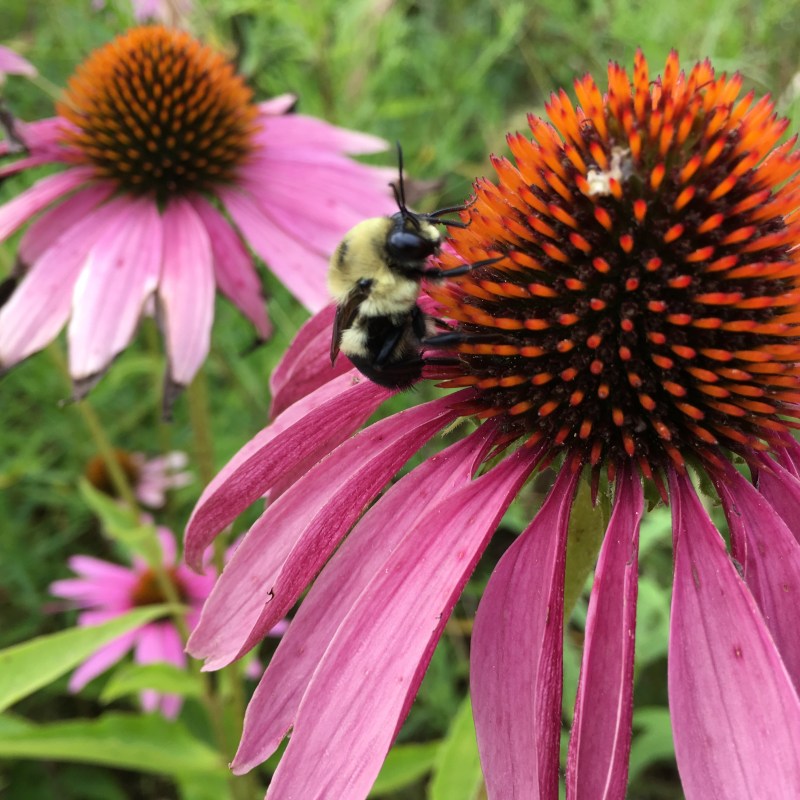
Minnesotans can apply for Lawns to Legumes cost-share funding between now and November 30
at http://www.Bluethumb.org. The grants are up to $400 and can be put toward pollinator planting projects such as pocket gardens, bee lawns, and flowering native trees.
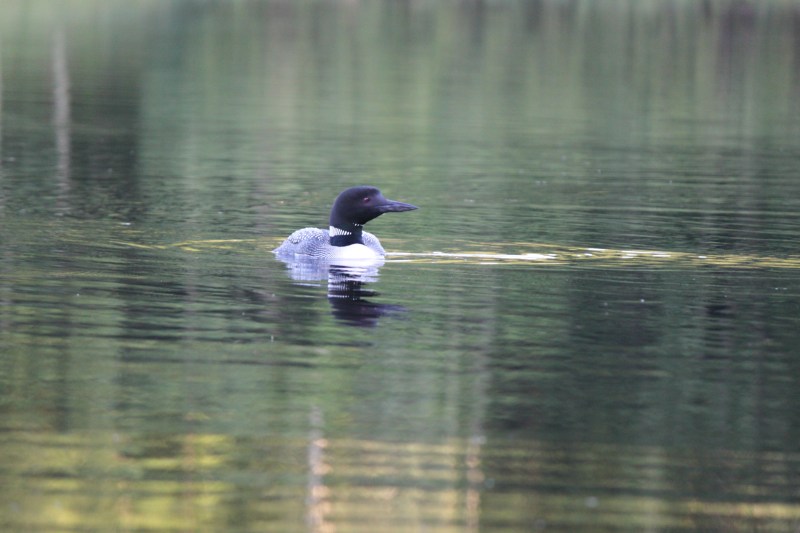
At the Forest Lake Lake Association (FLLA) meeting on Wednesday, May 17, 6:30-8pm, Rob Rabasco, coordinator of Minnesota’s Loon Restoration Project, will talk about efforts underway to protect loon habitat across the state, augment natural loon nesting with artificial nesting platforms in targeted locations, implement loon-friendly lake management plans, and increase survival rates for loon chicks. Robasco is one of three invited speakers for the event.
Read More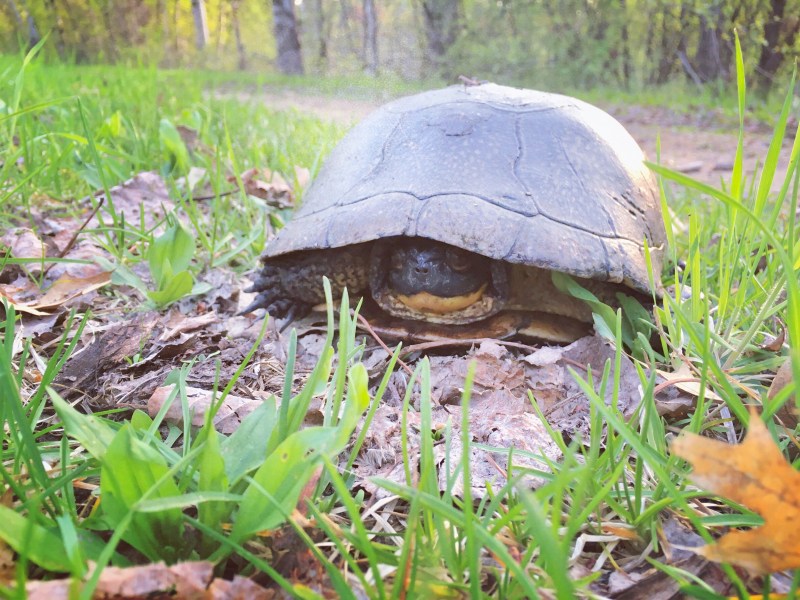
Minnesota is home to 2000 known native wildlife species, 346 of which are identified as Species in Greatest Conservation Need (SGCN).
Read More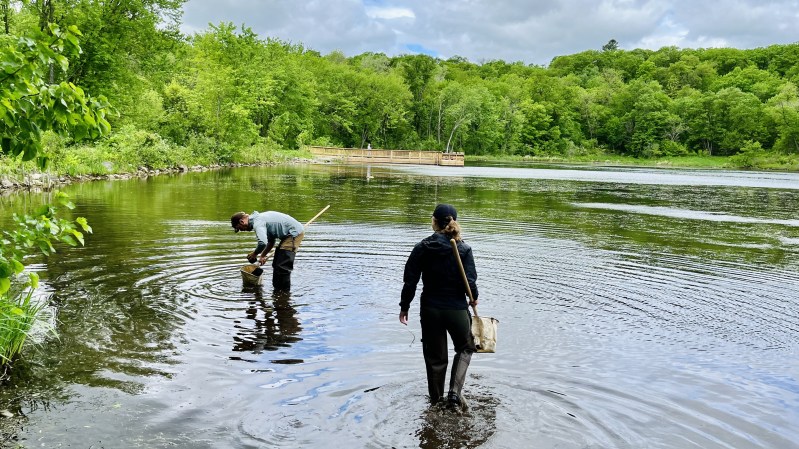
Last week, SWCD staff and supervisors from around the state met with state legislators during the annual Soil and Water Conservation Districts Day at the Capitol.
Read More
Winter is a great time for star gazing, full moon hikes, skiing and snowshoeing, and winter festivals.
Read More East Metro Water